Why Financial Firms Keep Overspending on Full Stack Observability and How it Finally Fixes the Leak
June 17, 2026 - 01:18
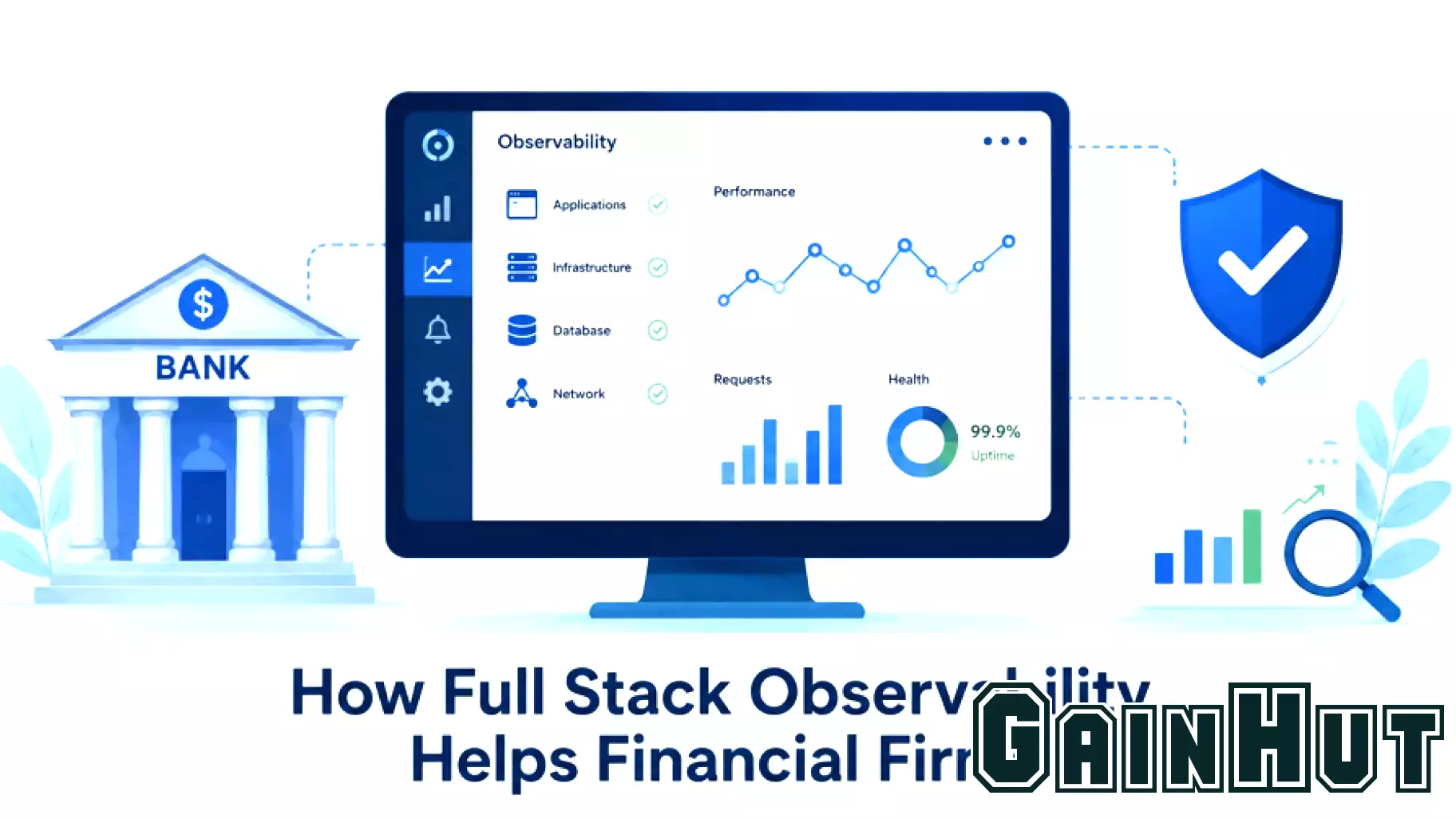
MUMBAI, IN / ACCESS Newswire / June 17, 2026 / Financial institutions generate huge volumes of operational data every second. Trading platforms, payment gateways, mobile banking applications, fraud detection engines, cloud workloads, and customer-facing portals all produce streams of logs, metrics, and traces. The common response has been to buy more tools. But that approach has created a costly paradox: the more data firms collect, the less they actually see.
Industry analysts estimate that large banks and fintech companies overspend on full stack observability by 30 to 40 percent. Much of that waste comes from overlapping monitoring tools, unused data storage, and teams that spend more time managing alerts than fixing actual problems. A typical institution might run five or six different observability platforms, each with its own licensing fees, data ingestion costs, and dedicated support staff. The result is a fragmented view of system health and a budget that keeps growing.
The fix is not another tool. It is a shift toward unified observability strategies that prioritize signal over noise. Leading firms are now consolidating their monitoring stacks, setting strict data retention policies, and using AI-driven correlation to surface only the alerts that matter. They are also moving away from ingesting every piece of raw data and instead sampling intelligently. This reduces storage costs and cuts the time engineers spend sifting through irrelevant logs.
One major European bank recently cut its observability spend by nearly half after merging three separate monitoring platforms into a single vendor-agnostic layer. The bank also introduced automated data lifecycle rules that delete or compress logs after 72 hours unless flagged for compliance. The result was faster incident response and a significant drop in cloud egress fees.
The lesson is clear. Financial firms do not need more visibility. They need the right visibility. By focusing on outcomes rather than data volume, they can finally plug the spending leak without losing sight of system performance.
MORE NEWS

August 1, 2026 - 00:01
Beyond Training: Building a Stronger Civil Society to Finance and Scale Landscape Restoration through the CS4LDN ProjectThroughout July, the CS4LDN project brought together civil society groups from Africa, Asia, and Latin America in a series of three workshops focused on moving landscape restoration from paper to...

July 31, 2026 - 07:42
History of Japan's intervention in currency marketsTOKYO - The yen surged sharply against the dollar late Thursday after market sources pointed to official yen buying in New York trading hours, with South Korea reportedly coordinating its own...

July 30, 2026 - 19:24
SEC chair defends proposal to allow companies to report earnings only twice a yearSecurities and Exchange Commission Chair Paul Atkins has pushed back against critics of a proposal that would allow publicly traded companies to report their financial results only twice a year,...

July 30, 2026 - 03:18
Finance firms set to pour more into AI amid ‘data divide’ fearsA new survey reveals that most asset management firms are gearing up to significantly increase their investments in artificial intelligence over the next year. The push comes as the industry...