Why You Should Keep an Emergency Fund in a Separate Savings Account
6 February 2026
Let’s be real for a second—life loves drama. One minute you're sipping a vanilla latte without a care in the world, and the next you’re staring at a $1,500 car repair bill or trying to figure out how to cover rent after a job layoff blindsides you. Ouch.
That’s where an emergency fund comes in. But here’s the deal: not all emergency funds are created equal. If your cash safety net is just chilling in your checking account, mingled with your everyday spending money? Honey, we need to talk.
Keeping your emergency fund in a separate savings account isn’t just “good advice”—it’s an absolute financial power move. If you’re serious about bossing up your bank account and building real financial security, it’s time to give your emergency stash the VIP treatment.
So, grab your coffee and get cozy. We’re about to break down why separating your emergency fund isn’t just smart—it’s sexy, strategic, and downright essential.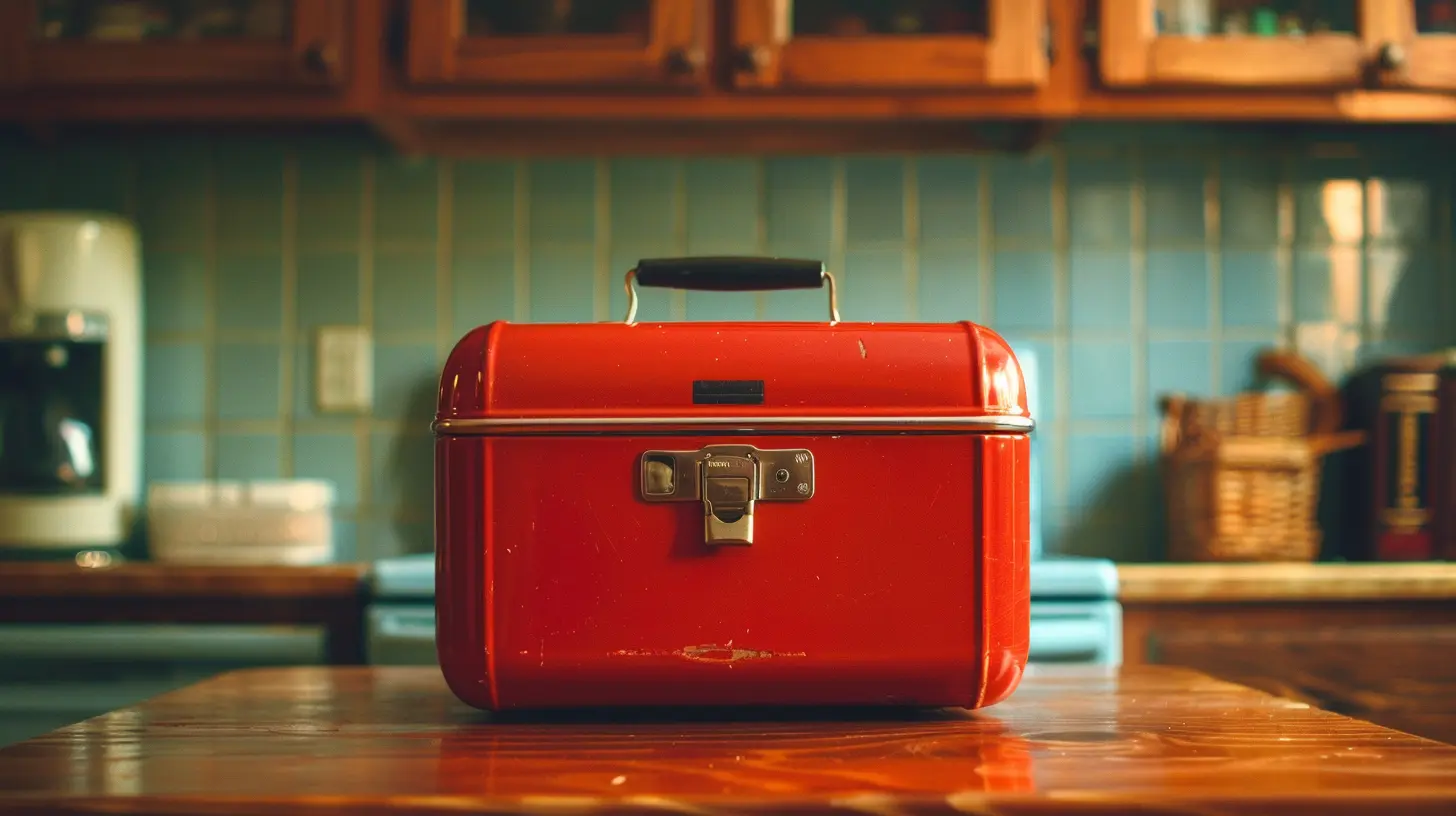
What Exactly Is an Emergency Fund?
First things first, let’s break down what we’re even talking about.Your emergency fund is your financial first aid kit. It’s money set aside exclusively for unexpected, high-stress, wallet-crushing situations. We're talking hospital bills, layoffs, major car trouble, or appliances that die at the worst possible time (looking at you, refrigerator).
What it’s NOT for:
- Impulse buys.
- Concert tickets.
- A spontaneous weekend getaway in Vegas (yes, even if the flights are “too good to pass up”).
It’s your oh-no fund—not your YOLO fund.
Why Stashing It in a Separate Savings Account Is a Total Game-Changer
Let’s get into the juicy part: why your emergency fund deserves its own little fenced-in yard in your finances—aka a separate savings account.✂️ It Prevents the Accidental Spend
We’ve all been there—you log into your bank account, see a chunky balance, and suddenly think, “I could afford those new AirPods...” Next thing you know, your emergency fund is now funding your tech addiction.Keeping your emergency stash in a separate account creates a psychological and logistical barrier. It’s money that’s out of sight and (mostly) out of mind. Temptation? Dodged.
💸 It Keeps Your Budget Honest
When your emergency money is mixed in with your everyday cash, it totally muddies the budgeting waters. You’ll feel richer than you actually are, which can lead to overspending or under-saving.A separate account gives you crystal-clear money clarity. You’ll know exactly how much is in your spending pot and how much is tucked away for emergencies. No surprises. No confusion. Just clean, crisp financial transparency.
📈 It Helps You Earn a Little Extra
Let’s not overlook the interest factor. Most dedicated savings accounts—even basic high-yield ones—offer some form of interest. Nothing earth-shattering, but hey, even a little passive income is better than nada.Your checking account? Likely pays chump change in interest, if anything. Parking your emergency fund in a savings account lets your money work a tiny bit harder while staying safe and accessible.
🔐 It Adds a Layer of Security
Mixing your emergency funds with your regular checking puts your financial safety net at risk. What if you accidentally overdraw your account one month? Suddenly, part of your emergency money gets gobbled up by bills or fees. Yikes.Keeping it separate means it’s protected from your day-to-day spending habits—and any slip-ups that come with them.
How Much Should You Keep in Your Emergency Fund?
Ah, the million-dollar question. (Okay, not literally—we’re not that dramatic.)The Classic Rule of Thumb
Most financial gurus, from your TikTok finance influencer to that old-school money nerd on TV, suggest having three to six months’ worth of essential expenses tucked away.Essentials = rent or mortgage, groceries, utility bills, insurance, your Netflix subscription (kidding… kinda).
Outside the box? If you have dependents, own a home, or freelance for a living, you might want closer to six to nine months’ of expenses saved up. More risk = more cushion.
Where Exactly Should You Keep It?
You know it needs to be separate. But let’s get into the nitty-gritty of what kind of savings account we’re talking about.✅ High-Yield Savings Account
Bingo! This is the best spot for your emergency fund. It’s safe, earns way better interest than your standard bank savings, and still lets you access your cash fairly quickly when life hits you with the unexpected.You can open one online in like, 10 minutes flat. Pro tip: go with a bank that has no monthly fees and doesn’t require a huge opening deposit.
✅ Traditional Bank Savings Account
Not as spicy as high-yield, but still solid. If you’re someone who wants to keep things simple and you don’t care much about earning extra interest, a regular savings account is still a smart move.❌ Not in a CD (Certificate of Deposit)
Sorry, CDs. You're great for long-term savings—not so great for emergencies. Why? Because your money is locked up for months (or years). Break the term early, and you’ll pay a penalty. That’s a no from me.❌ Definitely Not in the Stock Market
Look, we love investing—retirement accounts, index funds, ETFs… we’re here for it. But when it comes to emergency cash, the stock market is way too volatile. Imagine needing your money right now, but the market just tanked and your portfolio’s down 30%. Nope. Not today, Satan.Common Myths About Emergency Funds (Let’s Bust ‘Em)
Time to crush some excuses. Because let’s face it, we all have that one friend who swears, “I don’t need an emergency fund, I’ve got a credit card.” Ahem—let’s discuss.Myth #1: “I’ve Got a Credit Card—I’ll Just Use That”
Girl, no. Credit cards are debt. Your 22% APR doesn’t care that your dog needed surgery. Using credit to handle emergencies leads to interest payments, growing balances, and financial stress. Your emergency fund costs you nothing. That’s the real flex.Myth #2: “I’m Too Broke to Save”
We feel you—but starting small is still starting. Even saving $20 a week adds up. Automate it, forget it, and thank yourself later. Your future self isn’t going to care that it took a while to build. She’ll be thrilled you started.Myth #3: “I’ll Just Borrow From Friends or Family”
Sure, you could. But wouldn’t it be nice to be the one offering help instead of asking for it? An emergency fund buys you independence, peace, and dignity. No awkward borrowing convos required.Setting It Up: Easy, Breezy, Bold Finance Moves
Alright, now that you’re sold on the idea (and how could you not be?), here’s how to actually get this thing going.1. Open That Account
Hop online, find yourself a solid high-yield savings account, and open it. Look for no fees, easy mobile access, and decent interest. Done in 10 minutes.2. Name It Something Epic
Label it “Emergency Fund” in your online banking. Or better yet—go bold with something like “Break Glass In Case of Crisis” or “Do Not Touch Unless Crying.”3. Set a Goal
Give yourself a target. Maybe it’s $1,000 to start. Then work up to three months of expenses. Use that number as your mission. Make it visual. Put it on your fridge. Write it on your bathroom mirror in dry-erase marker. Manifest it, babe.4. Automate Your Savings
This is key. Set up an automatic transfer from your checking account to your emergency fund every payday. Even if it’s just $25. Treat it like a bill—non-negotiable.5. Hands Off That Cash
Remind yourself: this is not your fun money. Don’t touch it unless it’s truly an emergency. “I deserve new shoes” is not an emergency. “I broke my foot and can’t work for three weeks” is.The Peace of Mind Is Worth Every Penny
Let’s wrap this up with some straight talk.Keeping your emergency fund in a separate savings account isn’t just some dry money tip your uncle shares at Thanksgiving. It’s a form of self-care. It’s putting some financial armor between you and life’s curveballs. It’s sleeping soundly knowing that if things go sideways, you’ve got your back.
Cash isn’t just about buying stuff. Sometimes, money’s job is to keep us calm, steady, and stress-free. That’s what your emergency fund does. And when it lives in its own dedicated savings account? That’s when it becomes a true superhero—ready to swoop in when you need it most.
So, go forth and set it up. Your future self is seriously going to high-five you.
all images in this post were generated using AI tools
Category:
Savings AccountsAuthor:

Uther Graham
Discussion
rate this article
2 comments
Caelestis McIntosh
Protect your peace: Separate savings secure your future!
March 6, 2026 at 4:35 AM
Uther Graham
Absolutely! Keeping your emergency fund separate is crucial for financial stability and peace of mind. It helps you stay prepared while ensuring you don't dip into savings meant for other goals.
Natasha Pace
Maintaining an emergency fund in a separate savings account fosters financial discipline and ensures easy access during crises. It minimizes the temptation to dip into funds for non-essentials, safeguarding your financial stability and enabling quicker responses to unexpected expenses.
February 6, 2026 at 11:26 AM
Uther Graham
Thank you for highlighting the importance of a separate savings account for an emergency fund! It truly reinforces financial discipline and provides peace of mind during unexpected situations.