Why Thrifting Is the New Luxury in 2026 and Beyond
16 April 2026
Remember when luxury was all about shiny, new, and exorbitantly expensive? A flashy logo, a pristine store bag, the intoxicating smell of untouched leather? For decades, that was the dream sold to us. But something profound has shifted. The winds of change have been blowing, and by 2026, they’ve settled into a new normal. The ultimate status symbol isn’t what you bought at a boutique; it’s what you found. Let’s talk about why thrifting has not just gone mainstream but has ascended to become the new, undeniable luxury.
Redefining the Luxury Mindset: From Conspicuous to Conscious
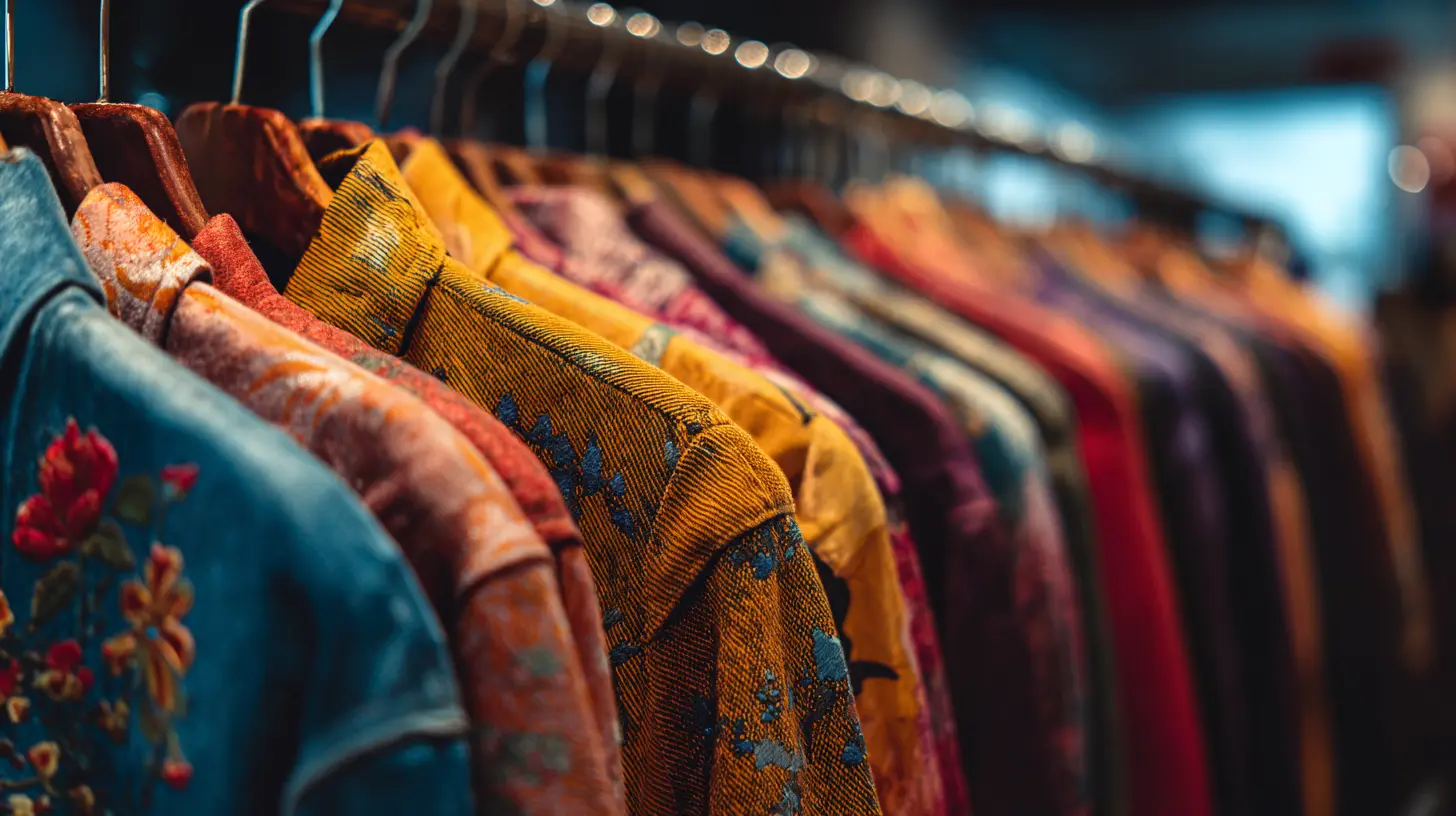
First, we need to dismantle the old definition. Traditional luxury was conspicuous consumption. It was loud. It screamed, “Look what I can afford!” It was built on exclusivity, often at the expense of everything else—ethics, environment, even originality. You walked into a room and saw five other people with the same iconic handbag. Where’s the luxury in that?The new luxury is conscious curation. It’s a whisper that says, “Look what I know.” It’s the thrill of the hunt, the intelligence of the find, and the narrative woven into the fabric itself. Think of it like this: anyone with a credit limit can buy a brand-new mass-produced designer item. But it takes knowledge, patience, and a sharp eye to sift through a rack of 500 garments and unearth a pristine 1990s Yves Saint Laurent blazer or a perfectly broken-in pair of vintage Levi’s. That’s a skill. That’s a story. That’s power.
In 2026, luxury is less about the price tag and more about the value equation—a value measured in uniqueness, sustainability, and personal expression. It’s the difference between drinking a generic, mass-produced champagne and savoring a small-batch vintage from a family vineyard you discovered. Both are luxurious, but only one carries a soul.
The Sustainability Imperative: Luxury That Doesn’t Cost the Earth
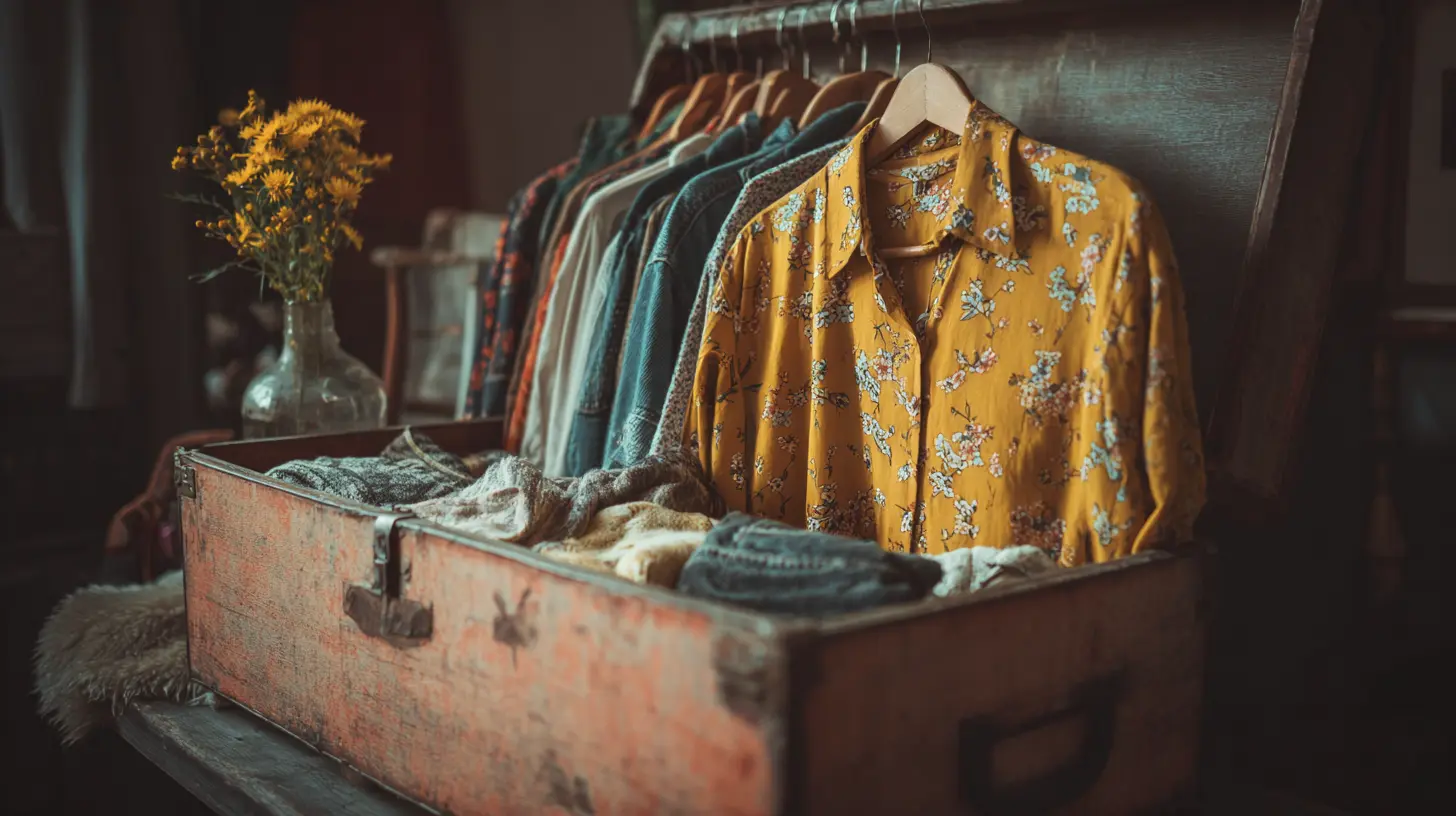
Let’s be blunt: the climate crisis isn’t a future concern; it’s our present reality. And with that awareness comes a collective guilt that has permanently altered consumer behavior. The old model of “buy, wear twice, discard” isn’t just tacky anymore; it’s seen as irresponsible. In 2026, true luxury is guilt-free.Every thrifted item is a small act of rebellion against the fast-fashion machine and its colossal environmental footprint. We’re talking about saving thousands of gallons of water (it takes about 2,000 gallons to make a single pair of jeans!), reducing chemical pollution, and keeping textiles out of landfills. When you choose vintage, you’re not just buying a coat; you’re casting a vote for a circular economy.
So, the luxury consumer of today and beyond asks a different set of questions: “What is the provenance of this item? What resources were saved by my purchase? What is its next chapter?” Wearing a beautifully preserved piece from 30 years ago isn’t just stylish—it’s a badge of honor, a testament to your environmental and ethical literacy. That’s a layer of value no new purchase can replicate.
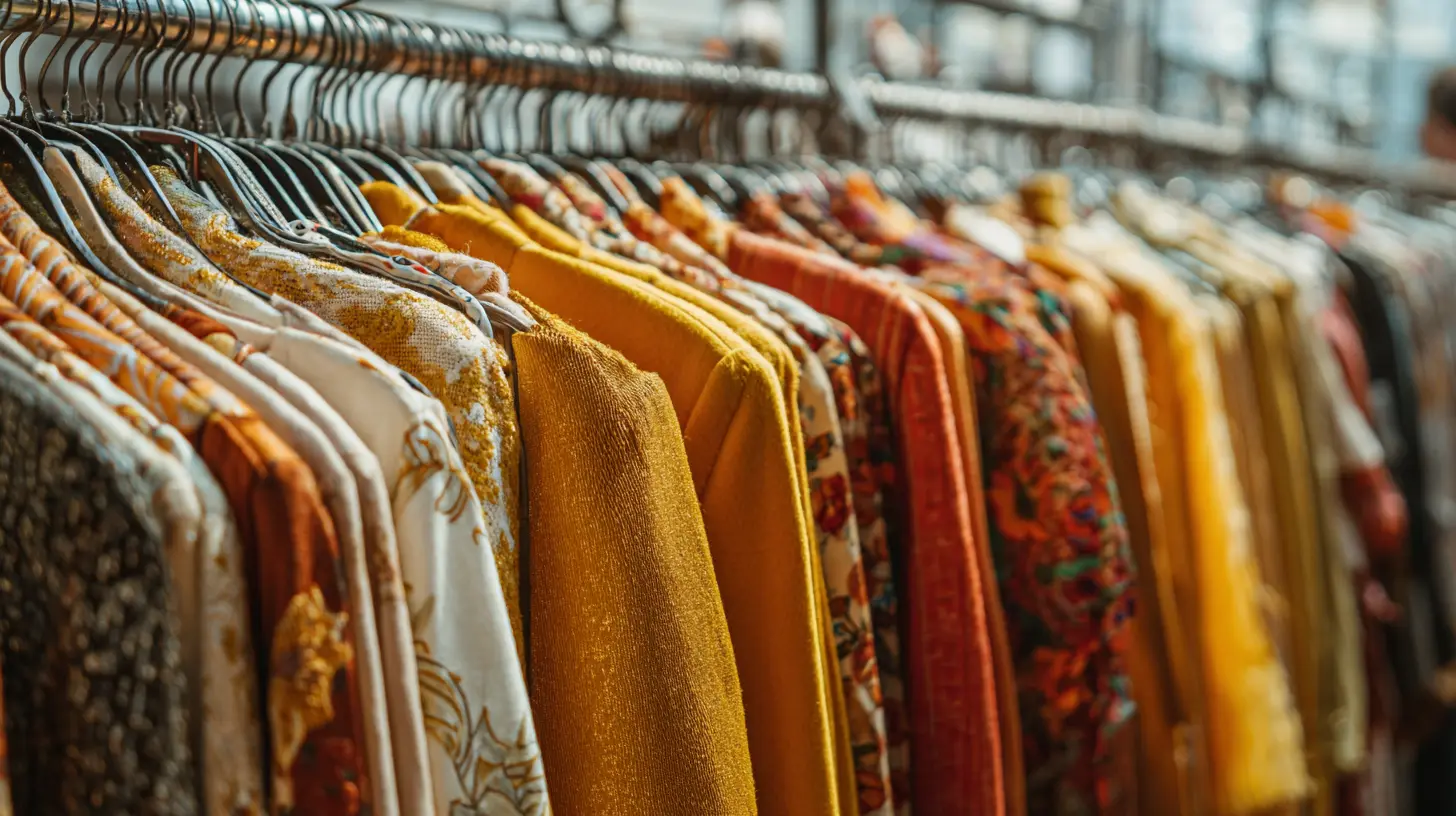
The Algorithm of You: Thrifting as Ultimate Personal Branding
In a world saturated with digital noise and cookie-cutter influencer culture, authenticity is the ultimate currency. Personal style has become our most visible form of self-expression, our walking, talking personal brand. And nothing screams “authentic” louder than a wardrobe that isn’t available for next-day delivery to millions of others.Thrifting is the anti-algorithm. It’s the physical, tactile process of discovering pieces that speak to you, not to a trend forecast. It allows you to assemble a style that is a genuine collage of your tastes—a little 70s bohemian here, a touch of 90s minimalism there, a pop of quirky 80s color. You become a curator of your own museum, and every item has a backstory.
This is where burstiness comes into play in our fashion choices. Just like engaging writing mixes sentence lengths, an engaging wardrobe mixes eras, textures, and silhouettes. A thrifted wardrobe naturally has this quality. It’s not a sterile, head-to-toe look from a single season. It’s layered, interesting, and uniquely yours. In 2026, being asked “Where did you get that?” and replying “Oh, I found it in this tiny vintage store on my trip to Lisbon” carries infinitely more social capital than citing a global e-commerce giant.
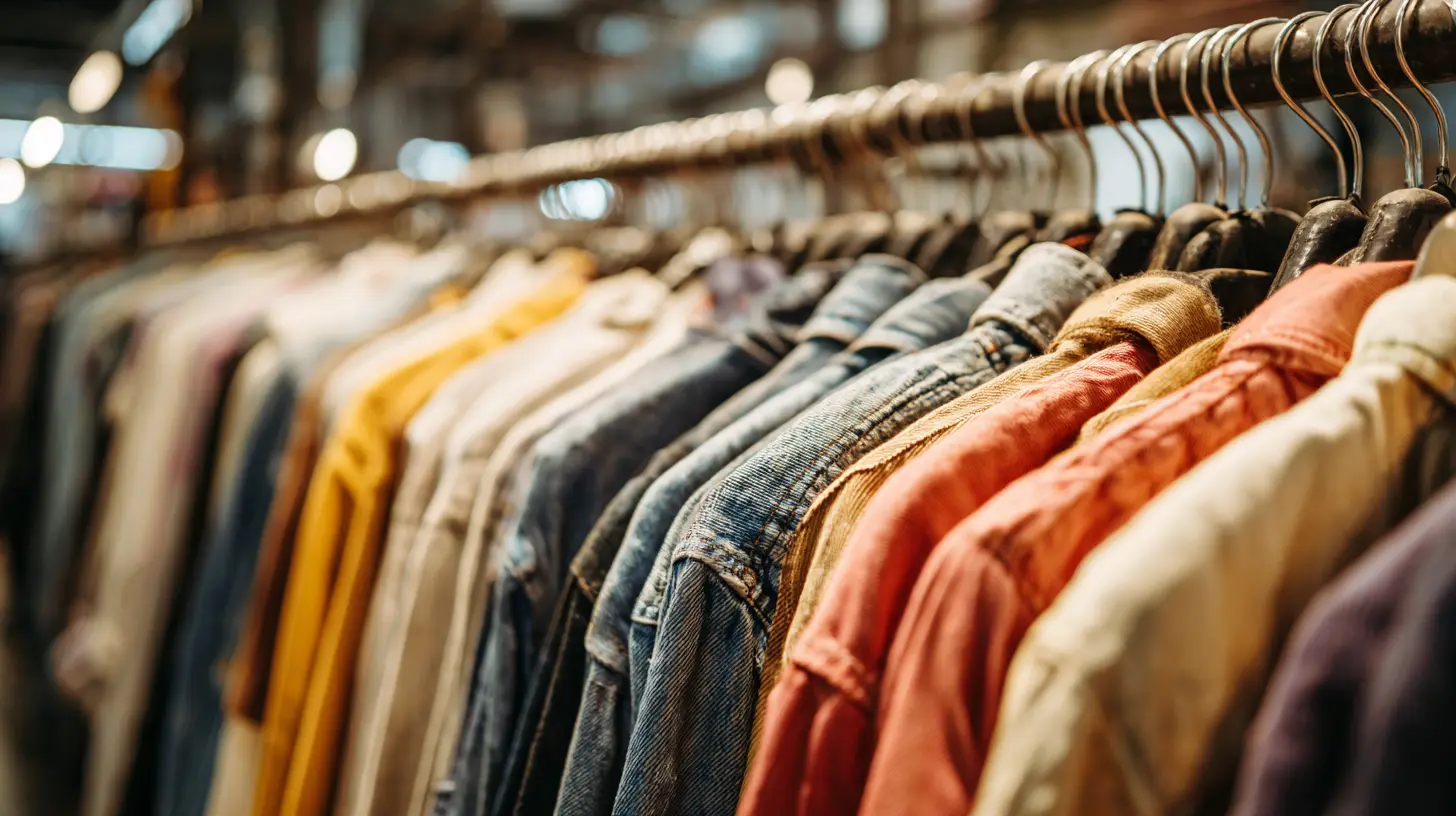
The Financial Alchemy: Turning Pennies into Priceless
Here’s where the finance blog angle really kicks in. Let’s talk about the sheer smart money move thrifting represents. The old luxury was a depreciating asset. You drive a new car off the lot and it loses 20% of its value. You buy a current-season “It” bag, and by next season, it’s being discounted to make room for the next “It” bag.Thrifting, especially when done with a discerning eye, is an exercise in value investing. You are acquiring assets (clothing, accessories, home decor) often at a fraction of their original retail price. But here’s the magic: with vintage and high-quality secondhand items, the value curve is different. A well-made, timeless piece from a quality brand doesn’t depreciate; it appreciates in style and often in literal resale value.
Think of it as the real estate market of fashion. You’re buying a unique “property” in a desirable “neighborhood” (a specific era or designer). With care, its value holds or grows. Platforms like The RealReal, Vestiaire Collective, and even dedicated Instagram shops have created a robust, transparent resale market. In 2026, savvy individuals aren’t just shopping for a wardrobe; they’re building a portable, wearable asset portfolio. The thrill isn’t just in the find; it’s in knowing you scored an item worth three times what you paid. That’s financial empowerment, and that’s a luxury feeling no shopping spree can match.
The Experience Economy: The Hunt Is the Reward
Modern luxury has pivoted hard from things to experiences. People would rather spend on a memorable trip than a new sofa. Thrifting masterfully merges the two. The purchase is the souvenir of the experience.The experience is the hunt itself. It’s the Saturday morning dig through your local charity shop, the road trip to a legendary flea market, the late-night scroll through a curated vintage Etsy store. It’s the adrenaline rush when your fingers brush against exceptional fabric in a crammed rack. It’s the quiet victory of authenticating a logo or a label. This process is engaging, challenging, and deeply rewarding in a way that clicking “add to cart” simply can’t be.
It’s a hobby, a sport, and a meditation all at once. In our high-speed, digital world, thrifting forces a slower, more mindful pace. You have to be present. You have to touch, look, and imagine. This tactile, human experience is a rare and precious commodity in 2026. The story of how you got the item becomes part of its allure, enriching its value every time you wear it.
Beyond Threads: The Thrifted Life as Holistic Luxury
This movement has exploded beyond the clothing rack. The thrifted, vintage, and upcycled ethos is the new luxury standard for home decor, furniture, and even art. A home filled with carefully sourced vintage furniture, original art from estate sales, and unique tableware tells a story of discernment and patience. It rejects the sterile, showroom aesthetic of buying everything new from one catalog.It’s the difference between living in a hotel and living in a home with character and history. This holistic approach extends to all aspects of consumption. Why buy a new mass-produced bookshelf when you can restore a solid wood mid-century modern one? The final product isn’t just a shelf; it’s a project, a skill learned, and a piece of functional art with a past.
Looking Ahead: The Future is Curated, Circular, and Conscious
As we move deeper into the 2020s and beyond, this trend isn’t just a passing fad; it’s a permanent correction. Technology will only amplify it, with AI-powered personal thrifting assistants, virtual reality dressing rooms for vintage items, and blockchain technology verifying the provenance and authenticity of secondhand luxury goods.The new luxury class won’t be defined by the newness of their possessions, but by the curation of their existence. Their luxury is time (spent hunting), knowledge (to identify quality), ethics (to choose sustainably), and financial savvy (to invest in value). Their wardrobe and home aren’t price tags; they are autobiographies.
So, the next time you’re tempted by the glow of a new-season launch, ask yourself: Is this a purchase, or is it an investment? Is it a product, or is it a story? In 2026 and beyond, the ultimate luxury isn’t about having more. It’s about finding better—for your style, your wallet, and your world. The treasure hunt is open to everyone. All you need to do is start looking.
all images in this post were generated using AI tools
Category:
Budget Friendly LifestyleAuthor:

Uther Graham
Discussion
rate this article
1 comments
Andrea Lawson
What a refreshing take on luxury! Thrifting is not just about saving money—it's a treasure hunt filled with unique finds and sustainable choices. Embrace the adventure and style that comes with second-hand treasures! Who knew saving a buck could feel so chic? Happy thrifting, everyone! 🌟💸
April 16, 2026 at 4:09 AM
Uther Graham
Thank you! Thriving in the world of thrifting truly offers both unique style and eco-friendly choices—it's luxury redefined! Happy thrifting! 🌟💖