The Role of Technology in Preventing or Accelerating Financial Crises
24 February 2026
Technology is transforming finance in ways we couldn't have imagined a few decades ago. With a few taps on our smartphones, we can transfer funds, invest in stocks, or even trade cryptocurrencies. But as much as technology makes life easier, it also raises one big question: can it help us avoid the next financial crisis—or is it just as likely to cause one?
Let’s dive into how tech plays a double-edged role in shaping both the stability and the fragility of our global financial systems.
The Double-Edged Sword: Technology in Finance
Picture this: technology is like a fire. In controlled environments, it warms your home, cooks your food, and fuels innovation. But left unchecked? It can burn down the whole forest. That’s exactly how it operates in the financial sector.Technology can streamline processes, enhance transparency, and flag risky behavior before it spirals. On the flip side, it can also amplify market risks, create new vulnerabilities, and spread panic faster than ever. It all depends on how we use it.
The Positive Side: How Technology Helps Prevent Financial Crises
Let’s start with the good news, shall we? When used smartly, technology plays a huge role in preventing financial instability.1. Real-Time Risk Monitoring and Big Data Analytics
One of the coolest things about fintech is its ability to crunch massive amounts of data in real time. Financial institutions now use big data analytics to detect fraud, assess credit risk, and forecast market behavior.For example, AI-driven models can flag unusual trading activity or suspicious transactions long before human eyes would spot them. This kind of early warning system is like having a smoke detector for economic fire.
2. Blockchain and Transparency
Have you ever wondered why people are so hyped about blockchain?It’s not just about Bitcoin. Blockchain technology offers a decentralized and transparent way to record transactions. That means no hidden books, no shady double-dealing. In times of uncertainty, being able to "trust but verify" adds a layer of resilience to the financial system.
For regulators, this is a dream come true. Imagine being able to track financial movements in real time with immutable logs. Fraud gets harder, compliance gets easier, and regulators can identify systemic risks quicker.
3. Automated Regulatory Compliance (RegTech)
RegTech, or regulatory technology, helps firms stay on the good side of financial regulations. These systems automatically scan changes in global regulatory standards and adjust internal processes accordingly.The result? Fewer compliance breaches, reduced legal risk, and a healthier financial ecosystem. It’s like setting your car to cruise control while keeping within the speed limit—effortless and safe.
4. Faster and Smarter Decision-Making
Machine learning algorithms are replacing the old-school gut-feel decisions that once ruled Wall Street. Today, investment decisions rely on data-driven insights, which reduces emotional speculation that has sparked financial meltdowns in the past.Plus, robo-advisors make it easier for retail investors to diversify intelligently, lowering the chances of a market bubble driven by herd mentality.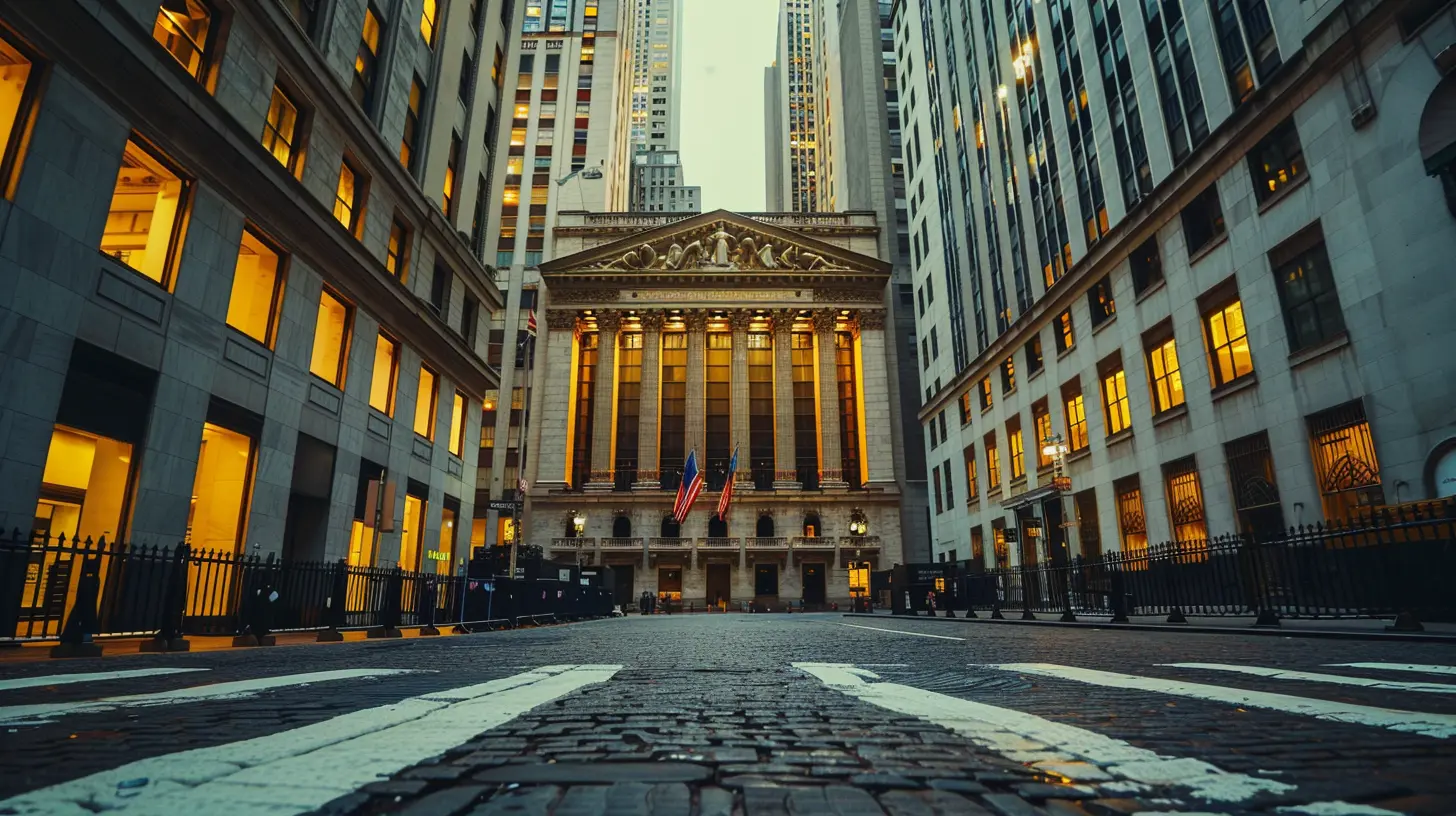
The Flip Side: How Technology Can Accelerate Financial Crises
Now, let’s flip the coin. As amazing as technology can be, it can also introduce new risks—some of which we’re just starting to understand.1. High-Frequency Trading and Flash Crashes
High-frequency trading (HFT) is the ultimate example of speed gone wild. These ultra-fast algorithms can execute thousands of trades per second. Great for liquidity, right?Well, yes and no.
HFT has caused several "flash crashes" where markets dipped and rebounded in minutes, driven by algorithmic stampedes. These events undermine trust and highlight how chaos can erupt when machines act faster than we can react.
2. Cybersecurity Threats and Systemic Risk
With digital infrastructure at the heart of modern finance, cybersecurity deserves serious attention.Banks, exchanges, and fintech apps are juicy targets for hackers. A successful cyberattack can paralyze markets, compromise sensitive data, and even lead to contagion effects across regions. Remember the 2016 Bangladesh Bank heist? That was just a teaser of what could happen on a larger scale.
As we become more connected, the risks of a single point of failure multiply. It's like putting all your eggs not just in one basket—but in a basket that’s balancing on a tightrope.
3. Fintech Overload and Unregulated Markets
Fintech innovation is happening at warp speed. That’s fantastic for convenience but dangerous when regulation can’t keep up. Think about peer-to-peer lending platforms, decentralized finance (DeFi), and Initial Coin Offerings (ICOs). They offer financial access to the masses, but often in a Wild West environment.When regulation lags behind innovation, bad actors slip through the cracks. Sudden platform shutdowns, Ponzi schemes disguised as crypto projects, and data breaches can erode public trust and spark panic.
4. Tech-Driven Herd Behavior
Social media and trading apps now influence market behavior like never before. Remember the GameStop frenzy? It wasn’t driven by Wall Street analysts, but by Reddit users and mobile traders.This democratization of investing is empowering, no doubt. But it also intensifies herd behavior—where emotional decisions spread like wildfire. In the age of instant sharing, a single tweet can trigger a market swing. Not exactly the stable financial environment regulators dream of.
Bridging the Gap: Smart Regulation and Ethical Innovation
If we want to enjoy the benefits of technology without falling into its traps, one thing is crucial: balance.1. Proactive Regulation
Regulators need to move from reactive to proactive. That means collaborating with technologists, understanding how new platforms work, and adapting rules in real-time. Sandboxes—controlled environments where fintechs can test products with limited risk—are a promising step in this direction.2. Public-Private Partnerships
Financial institutions, tech companies, and governments must work together to build secure, transparent, and equitable frameworks. Think of it as a teamwork exercise: tech builds the tools, finance brings the expertise, and regulators provide the guardrails.3. Digital Literacy for All
We also need to educate the public. The average investor should understand the risks of an investment app, just like they would before buying a car or signing a lease. Better digital literacy means fewer people falling for scams or making impulsive decisions based on memes.What's Next? Future Trends to Watch
Let’s take a peek at what’s on the horizon. These technologies could help tip the scale in favor of preventing crises—if we use them wisely.Artificial Intelligence (AI) and Predictive Analytics
AI is getting smarter by the day. Soon, predictive models might anticipate recessions months ahead, giving central banks more time to act. Imagine the power of seeing a crisis coming—like weather forecasting for the economy.Central Bank Digital Currencies (CBDCs)
CBDCs could offer a safe, government-backed alternative to volatile cryptocurrencies and fragile banking systems. More control, real-time data, and monetary policy tools might help stabilize economies during shocks.Smart Contracts
With smart contracts, financial agreements can execute automatically once conditions are met. This reduces the risk of human error, delays, or disputes. Think of it like a self-driving car for financial transactions—precise and reliable.Final Thoughts
So, does technology prevent or accelerate financial crises? The honest answer is: both.If harnessed responsibly, technology can build a sturdier, smarter, and more inclusive financial world. But if left unchecked, it could also pave the road to the next big meltdown.
The key lies in embracing innovation while staying alert to its dark side. It's a balancing act—but one worth mastering.
We’re all riding the same financial rollercoaster. The question is: are we using tech to tighten our safety belts—or are we unknowingly throwing our hands up just before the next drop?
all images in this post were generated using AI tools
Category:
Financial CrisisAuthor:

Uther Graham
Discussion
rate this article
2 comments
Kade Sanders
Technology can act as both a safeguard and a catalyst in finance; its ability to enhance transparency and risk management is crucial, yet reliance on algorithmic trading can amplify volatility and crises.
March 30, 2026 at 3:48 AM
Uther Graham
Thank you for your insightful comment! Indeed, technology's dual role in finance highlights the need for balanced approaches to harness its benefits while mitigating risks.
Bianca Black
In a world where algorithms dictate fortunes, could the very technologies designed to safeguard us be planting the seeds of our next financial disaster? The future remains uncertain.
February 27, 2026 at 12:04 PM
Uther Graham
You raise a crucial point. While technology can enhance stability, its misuse or overreliance may indeed create vulnerabilities. Vigilance and responsible innovation are essential to ensure it serves as a safeguard rather than a catalyst for crises.