The Role of Speculation in Financial Market Crashes
12 March 2026
When you hear about financial markets crashing, you might picture chaotic trading floors, red graphs plunging downwards, and panic spreading like wildfire. But, have you ever stopped to think about what actually causes these financial earthquakes? One major culprit—often lurking in the background until it’s too late—is speculation.
Speculation isn’t always the villain, but when it gets out of hand, it can act like fuel to a fire, pushing markets into dangerous territory. In this article, we’ll break down what speculation really is, how it plays into financial bubbles and crashes, and why it's something every investor, policymaker, and curious mind should understand.
What Exactly Is Speculation?
Let’s start with the basics. In the finance world, speculation is when someone buys an asset—stocks, real estate, cryptocurrencies, or even commodities—not because they believe in its long-term value, but because they hope to sell it for a higher price in the short term. In short: buy low, sell high, fast.Speculators are different from investors. Investors look at fundamentals: company performance, market demand, long-term growth. Speculators? They care more about price trends, momentum, and hype. They often rely on gut feelings, market sentiment, or even rumors.
That doesn’t mean speculation is evil. It can bring liquidity to markets and help reflect real-time pricing. But when speculation reaches irrational levels, it can be like playing a game of musical chairs—with billions of dollars at stake.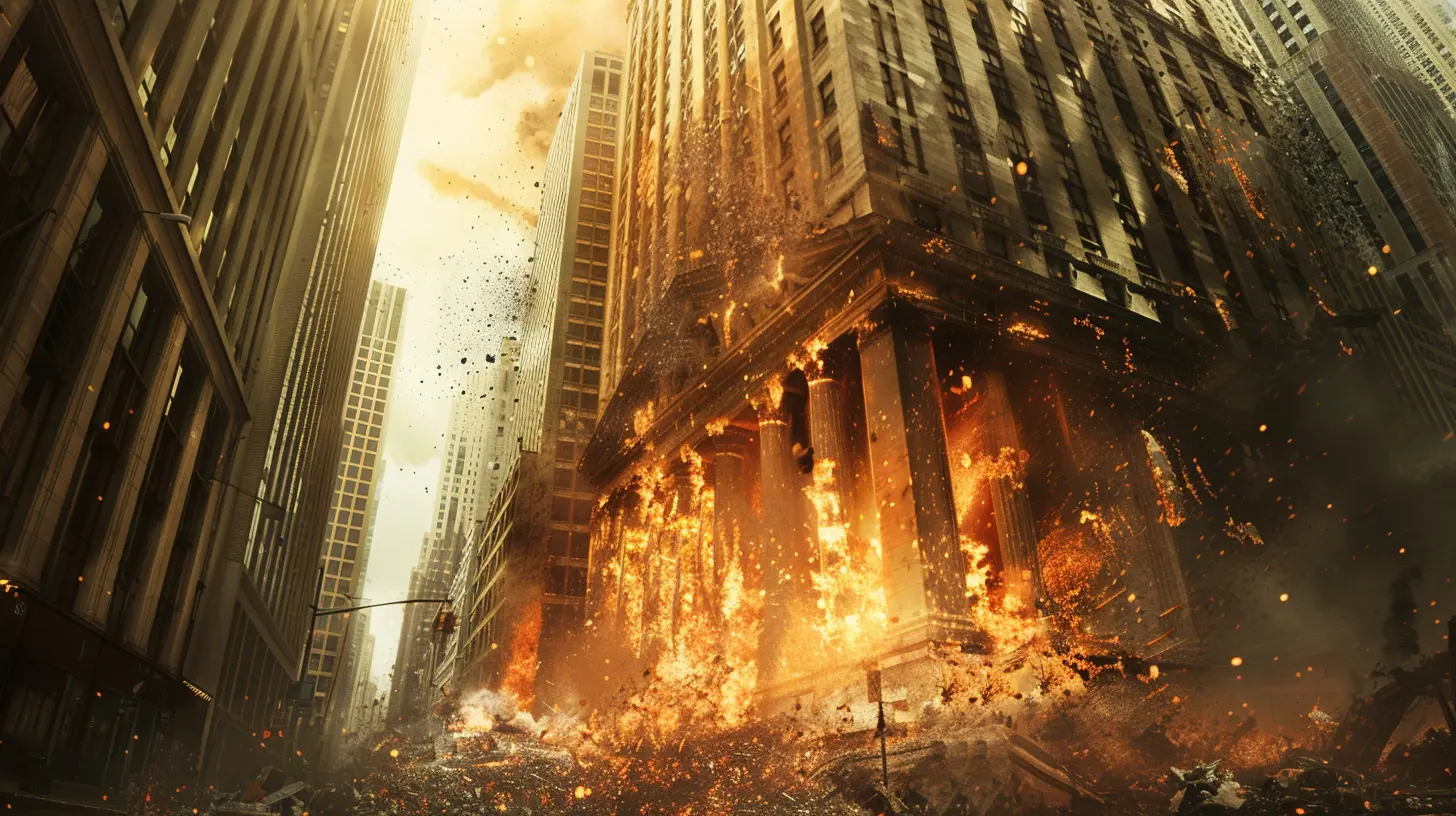
A Quick History of Market Crashes Fueled by Speculation
Let's walk through a few historical examples to see how speculation has wreaked havoc over the years.1. Tulip Mania (1637)
Yes, tulips! In 17th-century Holland, tulip bulbs became the hottest asset around. Prices soared as people snapped them up not for beauty, but for profit. At the peak, some tulip bulbs were worth more than a house. But eventually, reality kicked in. Prices collapsed overnight, leaving people bankrupt and bewildered.2. The Stock Market Crash of 1929
The roaring ‘20s brought a boom in speculative stock buying in the U.S. Fueled by margin buying (borrowing money to invest), people jumped into the market without understanding what they were buying. When prices stopped rising, panic selling began. The result? The Great Depression.3. The Dot-Com Bubble (2000)
In the late ‘90s, internet companies were the new gold. Investors didn’t care whether a tech startup made money—if it had “.com” in its name, it was enough. Stock prices soared, detached from reality. But in 2000, the bubble burst. Companies evaporated, and trillions of dollars vanished.4. The U.S. Housing Market Crash (2008)
Speculation entered the housing market in a big way. People bought homes they couldn’t afford, banks approved risky loans, and Wall Street turned mortgages into complex investments. When borrowers defaulted, the whole system crumbled. The 2008 crash led to a global financial crisis.
How Speculation Inflates Financial Bubbles
Think of a financial bubble like a balloon. As more air (money) gets pumped in, it expands until—pop!Here’s How It Usually Goes:
1. Early Investment Phase: Some investors spot an opportunity and buy in—often based on solid fundamentals.2. Public Awareness Grows: Media gets wind of it, prices start rising, and people notice.
3. Speculators Get In: Buzz builds. People start buying just because prices are going up.
4. Irrational Exuberance: Prices skyrocket beyond any reasonable valuation.
5. The Tipping Point: A trigger—a bad earnings report, rising interest rates, or just pure fear—causes the price to dip.
6. Panic Selling: Everyone rushes to the exit. Prices plummet at record speed.
7. Crash: The bubble bursts, leaving behind economic pain and financial scars.
Why People Keep Falling for Speculative Bubbles
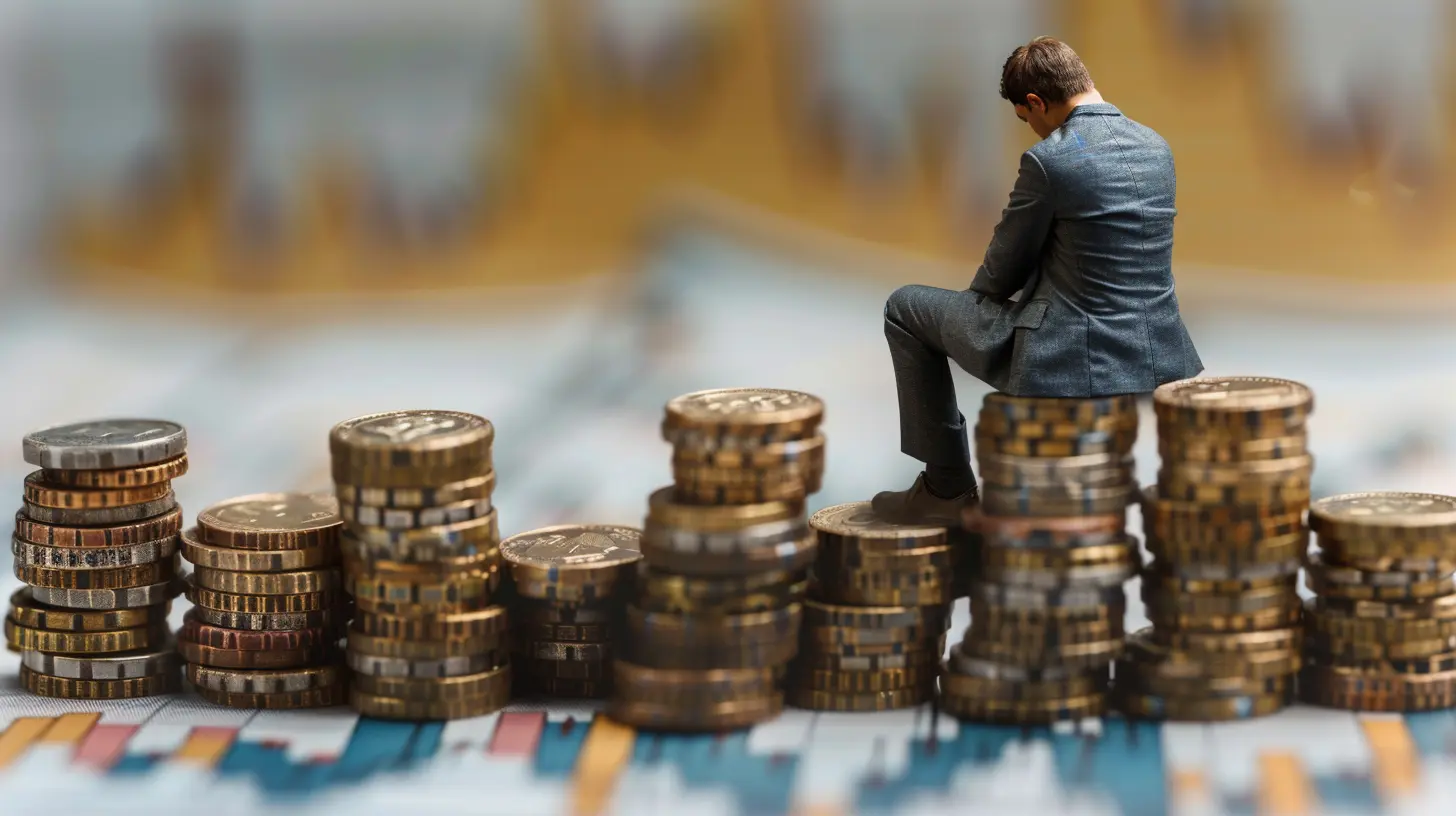
Two words: fear and greed.Speculation plays on our emotions. When everyone seems to be making money, it's hard not to jump in. FOMO (fear of missing out) kicks in. The voice in your head says, “What if I miss this once-in-a-lifetime opportunity?”
Greed tells us we can cash out before the crash. But here's the catch—very few people time the market perfectly. Most ride the wave too long and get caught when the tide turns.
And then there’s herd mentality. Humans are social creatures. When we see others diving in, we follow. Even if it doesn’t make sense.
The Role of Social Media and Technology in Modern Speculation
Back in the 1920s, speculation spread through word of mouth and newspapers. Fast forward to today, and we’ve got Reddit threads, TikTok gurus, YouTube analysts, and Twitter influencers all driving speculative frenzies.Take the 2021 GameStop saga. A community on Reddit (r/WallStreetBets) rallied retail traders to buy GameStop stock, aiming to “squeeze” hedge funds that had bet against it. Prices soared from under $20 to nearly $500 at one point. Pure speculation. No change in GameStop’s actual business.
Cryptocurrencies? Meme coins like Dogecoin and Shiba Inu skyrocketed thanks to speculation, despite having no intrinsic value. It’s the digital version of tulip mania.
Technology speeds up both hype and panic. A single tweet can sway the market. A viral video can spark a buying frenzy.
The Domino Effect: How Speculation Triggers Crashes
Speculative activity doesn’t just impact individual investors. It can shake entire economies.Let’s say a big financial institution loads up on speculative assets. If those assets tank, the institution might collapse, taking down lenders, partners, and markets with it.
Speculation can also cause bubbles in critical sectors—like housing. When the housing market crashes, it affects jobs, savings, banks, and public trust. That's exactly what happened in 2008.
And because global markets are so interconnected, one country’s crash can ripple worldwide.
Governments and Regulations: Can They Stop Speculation?
Governments and financial watchdogs do try to limit harmful speculation. They introduce policies like:- Margin requirements: To limit how much people can borrow to invest.
- Trading halts: Pausing trading when prices swing too wildly.
- Financial disclosures: Making sure investors have access to the right information.
But here’s the truth—regulators are always playing catch-up. Markets innovate quickly. Just look at crypto. It's largely unregulated, and the speculative risks are sky-high.
Trying to outlaw speculation completely? It’s like trying to bottle the wind. Instead, the aim should be to balance healthy speculation with guardrails to prevent market-wide disasters.
So, Is Speculation Always Bad?
Not necessarily.Speculation brings liquidity to markets. That means it’s easier to buy or sell assets, which keeps prices fair and competitive.
It can also fuel innovation. Speculative investment in tech, green energy, and biotech has led to some incredible breakthroughs.
But when speculation becomes excessive, untethered from reality, and driven by emotion rather than logic—that’s when it becomes dangerous.
Think of it like fire. Controlled, it can cook food and warm your home. Uncontrolled? It can burn down cities.
Tips for Avoiding the Speculative Trap
Now that we’ve peeled back the curtain on speculation, here’s how to keep your own finances safe:1. Do Your Homework
Don’t buy because everyone else is buying. Understand the asset. What’s driving the price? Hype or value?2. Set Limits
Decide how much you’re willing to risk. Never gamble money you can’t afford to lose.3. Diversify
Don’t put all your eggs in one basket. Spread your investments across different asset types.4. Avoid Margin Trading
Using borrowed money to speculate just increases your risk. The losses can add up fast.5. Stay Level-Headed
Keep emotions in check. When markets are hot, stay cautious. When they crash, don’t panic sell.Wrapping It Up: Speculation Is a Double-Edged Sword
Speculation has always been a part of financial markets—and it always will be. Sometimes it drives growth and opportunity. But when it slips into mania, it’s like a house of cards—one wrong move, and the whole thing comes tumbling down.Understanding the role of speculation in financial market crashes isn’t just for economists or Wall Street pros. It’s for anyone who’s ever thought about investing, saving for retirement, or wondering how the economy really works.
Because the more you understand the psychology, history, and mechanics behind speculation, the better prepared you are to protect your hard-earned money—and maybe even help steer the markets toward a healthier, more stable future.
all images in this post were generated using AI tools
Category:
Financial CrisisAuthor:

Uther Graham
Discussion
rate this article
2 comments
Reid McKinnon
Speculation can amplify market volatility, leading to irrational behaviors that precede financial crashes. Understanding this relationship is crucial.
April 9, 2026 at 3:50 AM
Uther Graham
You make an important point. Speculation indeed fuels volatility, often clouding rational decision-making and contributing to market instability. Understanding this dynamic is key for investors.
Leo Bowman
This article effectively highlights how speculation can amplify market volatility, leading to crashes. Understanding this dynamic is crucial for investors seeking to navigate turbulent waters. By recognizing speculative patterns, we can adopt more informed strategies and potentially mitigate the impacts of future market downturns. Great read!
March 14, 2026 at 5:28 AM
Uther Graham
Thank you for your thoughtful comment! I'm glad you found the article helpful in understanding the impact of speculation on market volatility.