Sovereign Debt Crises and Their Global Implications
20 June 2026
Let’s be honest — when you hear terms like “sovereign debt crisis,” your brain probably starts looking for the nearest escape route. It sounds dry, complex, and not something you’d want to spend your afternoon reading about. But here’s the catch — sovereign debt crises aren’t just abstract economic concepts. They actually affect your wallet, your job prospects, and even the price of your morning coffee. Yep, really.
In this post, we’re going to take a deep dive into sovereign debt crises, what causes them, and how they ripple across the globe. We’ll keep things simple, engaging, and (most importantly) human. So, pull up a chair — because what’s happening in the world of government debt might just surprise you.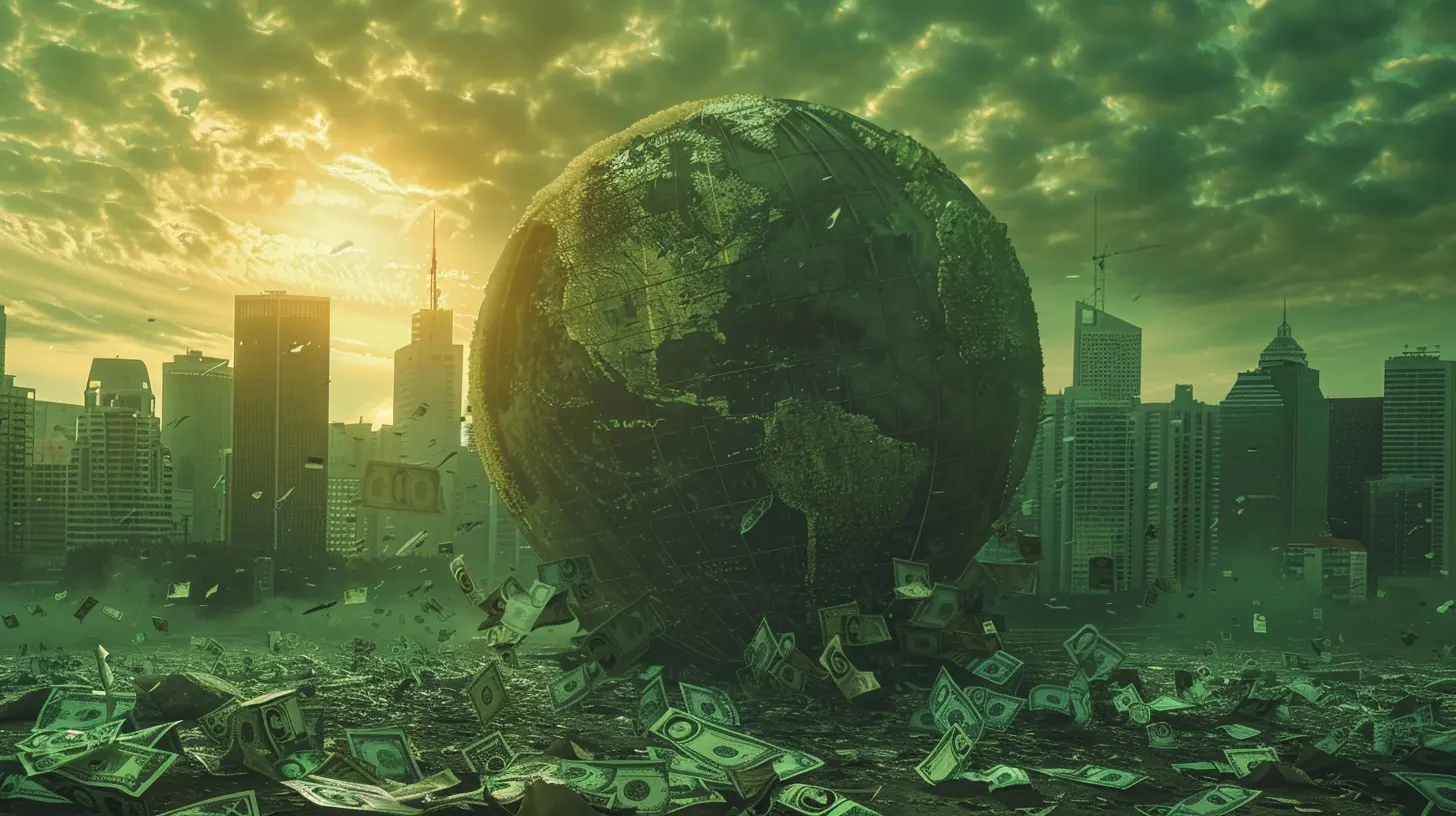
What Is a Sovereign Debt Crisis, Anyway?
Let’s break it down.A sovereign debt crisis is what happens when a country can't pay back its government debt — either the interest, the principal, or both. Think of it like this: imagine a person maxes out several credit cards and can’t even afford the minimum payments. Eventually, creditors stop lending, and that person is in deep financial trouble.
Now picture that, but with entire countries. Countries borrow money from investors, other governments, and international institutions like the IMF. When they can't make those payments, trust starts to crumble, economies shake, and the global financial system gets jittery.
Why Do Countries Borrow So Much Money?
Great question!Countries borrow for all kinds of reasons. Sometimes it’s to build roads, hospitals, or schools. Other times, borrowing helps fill budget gaps when tax revenue doesn’t cover expenses. And during economic downturns or crises (think pandemics or wars), governments borrow heavily to keep things running.
But here’s the curveball: unlike you or me, countries don’t really “retire” their debt. They just keep borrowing to roll over old debt and fund new projects. It works — until it doesn’t.
The Domino Effect: What Happens When a Country Can’t Pay Up?
Okay, so a country defaults. Now what?Well, sovereign debt crises can be like knocking over a row of dominos. Here’s how the ripple effect can spread:
1. Confidence Crumbles
When a country defaults or even hints at defaulting, investors panic. They pull money out of that country’s bonds and currency — sometimes even out of other, unrelated countries if they seem risky too. This can trigger a wider regional or global panic.2. Currency Values Collapse
A default often leads to a crash in the country's currency. That means imports get way more expensive, inflation spikes, and everyday citizens suffer. Incomes don’t keep up, and savings get wiped out.3. Banking Systems Get Shaky
Local banks usually hold a lot of government bonds. If those bonds become worthless, banks take a hit — or even collapse. That dries up credit, and businesses can’t operate or expand.4. Global Trade Takes a Hit
Remember: we’re all connected. If a country defaults and its economy tanks, it buys fewer goods from other countries. That hurts exporters, especially those heavily reliant on the struggling nation.5. Spillover to Other Markets
Other emerging markets — especially those with high debt levels — start to look risky too. Investors might panic-sell assets across the board, causing a chain reaction.
Famous Sovereign Debt Crises in History
Let’s look at a few real-life examples of how this has played out over the years.?? Mexico (1994)
Mexico's so-called "Tequila Crisis" was sparked when investors lost faith in the government’s ability to manage its debt and currency. Capital flew out quickly, the peso collapsed, and the U.S. had to organize a rescue package to stabilize things.?? Russia (1998)
Low oil prices and poor fiscal management led Russia to default on its ruble-denominated debt. Inflation went wild, and a banking collapse followed. The shockwaves were felt far beyond Russia — even Wall Street felt the sting.?? Argentina (2001)
Ah, Argentina — the poster child for sovereign defaults. After years of unsustainable borrowing, its economy shrank, unemployment soared, and it defaulted on over $100 billion in debt. Citizens literally attacked ATM machines because they couldn't access their money.?? Greece (2010)
Perhaps the most high-profile recent crisis, Greece’s debt problems nearly tore apart the Eurozone. After years of excessive borrowing, it couldn’t make its payments, sparking bailouts, austerity, and widespread protests. The crisis sent shockwaves through Europe and nearly crashed the euro.The Role of the IMF and Other Institutions
So who steps in when things go south?Enter: the International Monetary Fund (IMF), World Bank, and sometimes even regional players like the European Central Bank. These institutions often provide emergency loans, restructuring plans, and technical help to get a country back on track.
But it’s a tough love situation. These bailouts usually come with strings attached — think budget cuts, tax hikes, and structural reforms. This can be politically explosive and sometimes hurts the very people it's meant to help. It's like giving someone a life raft, but asking them to swim harder while they’re still drowning.
Why You Should Care — Even If You’re Not in That Country
You might be thinking, “Well, none of this really affects me.” But don’t be so sure.? Your Investments Could Suffer
If you have a 401(k), pension fund, or mutual fund, chances are some of your money is invested in emerging markets or foreign bonds. A sovereign debt crisis can cause markets worldwide to nose-dive.☕ Prices Could Go Up
Remember inflation and currency collapses? They can affect global supply chains, raising prices even in countries not directly involved. Everything from your electronics to coffee beans can end up costing more.? Jobs Might Be at Risk
If your company exports goods or services overseas, a shrinking foreign economy could mean fewer customers, less revenue, and maybe even job cuts.What Causes Sovereign Debt Crises?
Let’s unpack what leads a country down this rocky road.? 1. Excessive Borrowing
Simple but deadly. If a country borrows too much without the ability to repay, things eventually crumble. It’s like using one credit card to pay off another — not sustainable.? 2. Poor Governance
Corruption, lack of transparency, or poor fiscal management can lead to bad decisions about borrowing and spending.? 3. Economic Shock
Whether it’s a global recession, a pandemic, or a collapse in commodity prices, unexpected events can dry up tax revenue and increase the pressure on government finances.? 4. External Debt in Foreign Currency
If a country borrows in dollars but earns revenue in its own (weaker) currency, a currency slide can make repayments impossible.How Do Countries Get Out of a Sovereign Debt Crisis?
There’s no easy fix, but here are some common strategies:? Restructuring
This is like calling up your lender and asking for better terms. Governments negotiate with creditors to extend deadlines, cut interest rates, or even reduce the total amount owed.✂️ Austerity Measures
These are budget cuts and tax hikes designed to reduce deficits. They’re super unpopular but often part of bailout agreements.? Economic Reforms
Governments may overhaul taxes, reduce subsidies, or open markets to attract investors and boost growth.? Bailouts
As we mentioned earlier, international institutions can step in with emergency funding. But these usually come with strict conditions.Lessons the World Needs to Learn
Here’s the bottom line: preventing sovereign debt crises is much easier — and cheaper — than fixing them.1. Transparency matters: Countries need to be open about their finances.
2. Prudent borrowing: Governments should borrow responsibly and invest in projects that generate growth.
3. Flexible policies: When crisis hits, quick, adaptive policies can mean the difference between recovery and collapse.
4. Sustainable development: Long-term planning should always beat short-term political gains.
Final Thoughts: The Bigger Picture
Sovereign debt crises are a bit like forest fires. They start small, often unnoticed, and then — boom — they rage out of control, threatening everything in their path. Whether you're a policymaker or just someone trying to manage your own finances, understanding how these crises happen (and why they matter) is crucial.When countries can’t pay their bills, the effects don’t stop at their borders. They reach into financial markets, trade, jobs, and even your grocery bills. It’s a global issue — and we’re all in the same economic boat.
So next time you hear about a country defaulting on its debt, don’t scroll past. That story might be more relevant to your life than you think.
all images in this post were generated using AI tools
Category:
Financial CrisisAuthor:

Uther Graham
Discussion
rate this article
1 comments
Sawyer McLoughlin
Great insights on sovereign debt crises! It's fascinating how interconnected our global economy is and the ripple effects we see.
July 10, 2026 at 10:57 AM