Renting vs. Buying: Frugal Considerations for Housing
1 April 2026
Deciding whether to rent or buy a home is one of the biggest financial choices most of us will face in our lives. It's not a decision to be taken lightly because, let’s face it, your wallet will feel it either way. Whether you’re daydreaming about owning that Pinterest-worthy home or reveling in the flexibility of renting a trendy apartment, there’s a lot to weigh.
But here’s the thing—it’s not always as simple as “buying is better” or “renting is throwing away money.” It’s more nuanced than that. Everyone’s situation is different! Let’s unpack this debate step by step and see what makes sense for your lifestyle and finances.
The Dream of Homeownership: Is Buying Worth It?
Owning a home is often seen as the ultimate financial milestone. It’s like the "American Dream" in real estate form—complete with a picket fence. But does it always make sense? Well… not necessarily.The Pros of Buying a Home
1. Building EquityThink of your mortgage payment as a forced savings plan. With each payment, you’re building equity in the home. That’s a fancy way of saying you’re owning more and more of it (as opposed to paying a landlord). Over time, as property values (hopefully) increase, it could become a nice chunk of change when you sell.
2. Stability
Tired of moving every year because the landlord wants to “renovate” or hike your rent? Buying locks you into one place. You’re the boss—no landlord to answer to. (Want to knock down a wall? Go for it!)
3. Potential Tax Advantages
Depending on your country, you might be able to deduct mortgage interest or property taxes from your income. Think of it as a little bonus for owning a home. (Definitely consult a tax pro for this one, though.)
4. Freedom to Customize
Hate beige walls? Go wild with neon green if you want. Owning gives you the freedom to personalize your home, top to bottom.
The Cons of Buying a Home
1. Hidden CostsSure, owning sounds great—until you realize you’re on the hook for property taxes, insurance, maintenance, and unexpected repairs. That dripping sink or broken HVAC system? Yeah, that’s on you now. (Pro tip: Always budget for maintenance!)
2. Loss of Flexibility
Buying roots you to one spot. If a killer job opportunity pops up across the country, selling a home is a lot more complicated than ending a lease.
3. Market Risks
While property values usually rise, the market can be unpredictable. If you buy at the wrong time or need to sell during a downturn, you could lose money.
4. Higher Upfront Costs
There’s the down payment, closing costs, and all those professional fees to consider. It’s not cheap to get started! And don’t forget moving expenses... they always sneak up on you.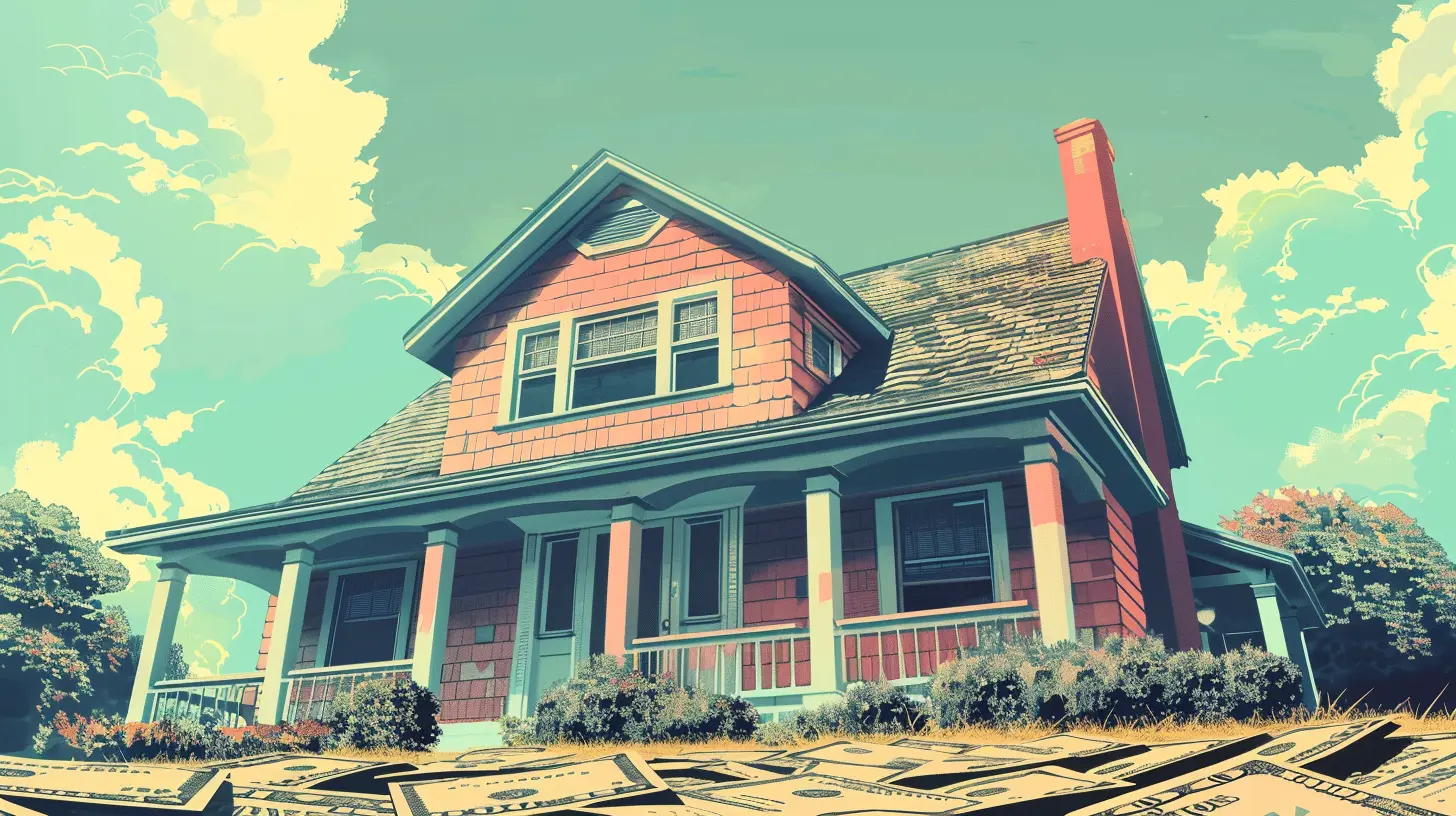
The Case for Renting: Flexibility Meets Simplicity
On the flip side, maybe committing to a mortgage for 15–30 years feels like a ball and chain to you. Fair enough—renting has its perks, too.The Pros of Renting
1. FlexibilityRenting is like dating—you can move on when you’re ready, no strings attached! Whether it’s a job relocation or just wanting a new neighborhood, you’re not tied down.
2. Fewer Responsibilities
Guess what? If the roof leaks or the furnace breaks, your landlord’s got it covered. Renting means less stress and fewer surprise costs.
3. Lower Upfront Costs
No hefty down payment required—you just need to cover a security deposit and maybe the first month’s rent. (Way less painful than saving for a 20% down payment on a home!)
4. Access to Amenities
Many rental properties come with perks like gyms, pools, or dog parks. Good luck finding those in a single-family home without spending a fortune.
The Cons of Renting
1. No EquityThis is the biggest criticism of renting—you’re essentially paying your landlord’s mortgage instead of building equity for yourself. When you move out, you walk away with nothing.
2. Lack of Control
Want to paint the walls or hang up those floating shelves? You might need the landlord’s blessing. Plus, any sudden rent increases are out of your control, and that can sting.
3. No Fixed Monthly Payment
Rent can (and does) go up with time. While a fixed-rate mortgage stays consistent, renters are at the mercy of the market.
4. Instability
Landlords can sell the property, choose not to renew your lease, or even evict tenants in certain situations. You might not be in control of how long you stay.
How Do You Figure Out What’s Right for You?
Now that we’ve sized up both sides, let’s talk about how you can make the best decision for your personal situation. Spoiler: It’s not one-size-fits-all.Ask Yourself the Following Questions:
1. What’s Your Financial Situation?Can you comfortably afford the costs of buying (down payment, mortgage, insurance, taxes)? Or would renting free up emergency funds or let you invest elsewhere?
2. How Long Do You Plan to Stay?
If you’re staying put for at least five years, buying might make sense. Homes tend to appreciate over time, but if you’re moving soon, you may not recoup your closing costs.
3. Do You Value Flexibility Over Stability?
If the idea of being tied down makes you squirm, renting could be a better fit. But if you crave the stability of roots, owning might suit you more.
4. Can You Handle Surprises?
How do you feel about home repairs and maintenance? If the thought of unexpected expenses gives you anxiety, renting might be less stressful.
Crunching the Numbers: The 5% Rule
Here’s a helpful rule of thumb: Compare the annual cost of renting to the annual cost of owning. If the cost of owning (including mortgage, taxes, maintenance, and insurance) is less than about 5% of the home’s total value, buying could be a better deal. If it’s more, renting might be smarter.The Emotional Side of the Debate
Money aside, housing isn’t just a numbers game—it’s deeply personal. Owning a home often brings pride, stability, and a sense of accomplishment. Renting, on the other hand, offers flexibility, freedom, and simplicity. What aligns best with your goals and values right now?Final Thoughts
Here’s the bottom line: Renting vs. buying is a deeply personal choice. It’s not about what your parents, your friends, or society says you should do. It’s about what works best for your wallet, your lifestyle, and your long-term goals.If you’re looking for stability, long-term financial growth, and a place to call your own, buying might be the way to go. But if flexibility, lower upfront costs, and simplicity are what you’re after, renting could be your best bet. Either way, don’t stress too much—housing decisions can always be reevaluated as your life evolves!
all images in this post were generated using AI tools
Category:
Frugal LivingAuthor:

Uther Graham
Discussion
rate this article
2 comments
Zealot Chapman
This article offers valuable insights into the renting versus buying debate. It's essential to weigh personal financial situations and long-term goals carefully. Sometimes, renting provides flexibility that can lead to better opportunities, making it a smart choice for many.
May 9, 2026 at 10:57 AM
Uther Graham
Thanks for your thoughts! You're right-personal circumstances play a huge role in the renting versus buying decision. Flexibility can definitely lead to great opportunities.
Rosanna McIntosh
Whether you’re renting or buying, remember: it’s all about finding your cozy nest without sacrificing your coffee fund! Cheers to smart housing choices!
April 6, 2026 at 3:08 AM
Uther Graham
Absolutely! Balancing comfort and budget is key. Cheers to making smart choices!