Renewable Energy: Market Trends in a Changing Climate
6 January 2026
The world is at a turning point. Climate change is no longer a distant threat—it's happening now. Businesses, governments, and individuals are all feeling the heat, literally and figuratively. And at the center of this shift? Renewable energy.
The energy market is evolving faster than ever, driven by policy changes, technological advancements, and rising consumer demand for cleaner alternatives. But where exactly is it headed? Let’s break it down.

The Shift Towards Renewables
Renewable energy sources like solar, wind, hydro, and geothermal are no longer niche players. They're becoming mainstream, and for good reason. Fossil fuels are finite, and their environmental impact is undeniable. On the flip side, renewable energy offers sustainability, lower long-term costs, and—perhaps most importantly—energy independence.But what’s really driving this transition?
1. Government Policies and Incentives
Governments worldwide are feeling the pressure to take action against climate change. This has led to a surge in policies that favor renewables. Incentives such as tax credits, subsidies, and emissions regulations have made it easier (and cheaper) for businesses and homeowners to switch to clean energy.Take the U.S., for example. The Inflation Reduction Act pumped billions into renewable energy projects, making solar and wind power more affordable than ever. And it’s not just the U.S.—Europe, China, and even oil-rich countries like Saudi Arabia are investing heavily in green energy.
2. Falling Costs of Renewable Technology
Remember when solar panels were ridiculously expensive? Not anymore. Over the past decade, the cost of solar and wind energy has plummeted. According to BloombergNEF, the cost of solar power has dropped by more than 80% since 2010, while wind power has seen a 60% decline.Why? Better technology, mass production, and economies of scale. In simple terms, as demand grows, the supply chain improves, and prices drop.
This cost reduction isn’t just good news for big corporations—it’s making renewable energy accessible to everyday consumers, too.
3. Rising Consumer and Corporate Demand
Companies are changing their tune when it comes to sustainability. Consumers now prefer brands with strong environmental commitments, forcing businesses to adopt green energy to stay competitive.Big names like Apple, Google, and Amazon are leading the way—powering their operations with 100% renewable energy. And it’s not just about brand image. Investing in renewables helps companies stabilize energy costs and reduce long-term risks.
Even homeowners are jumping on board. Rooftop solar panels, home battery storage, and energy-efficient appliances are becoming the norm, not the exception.
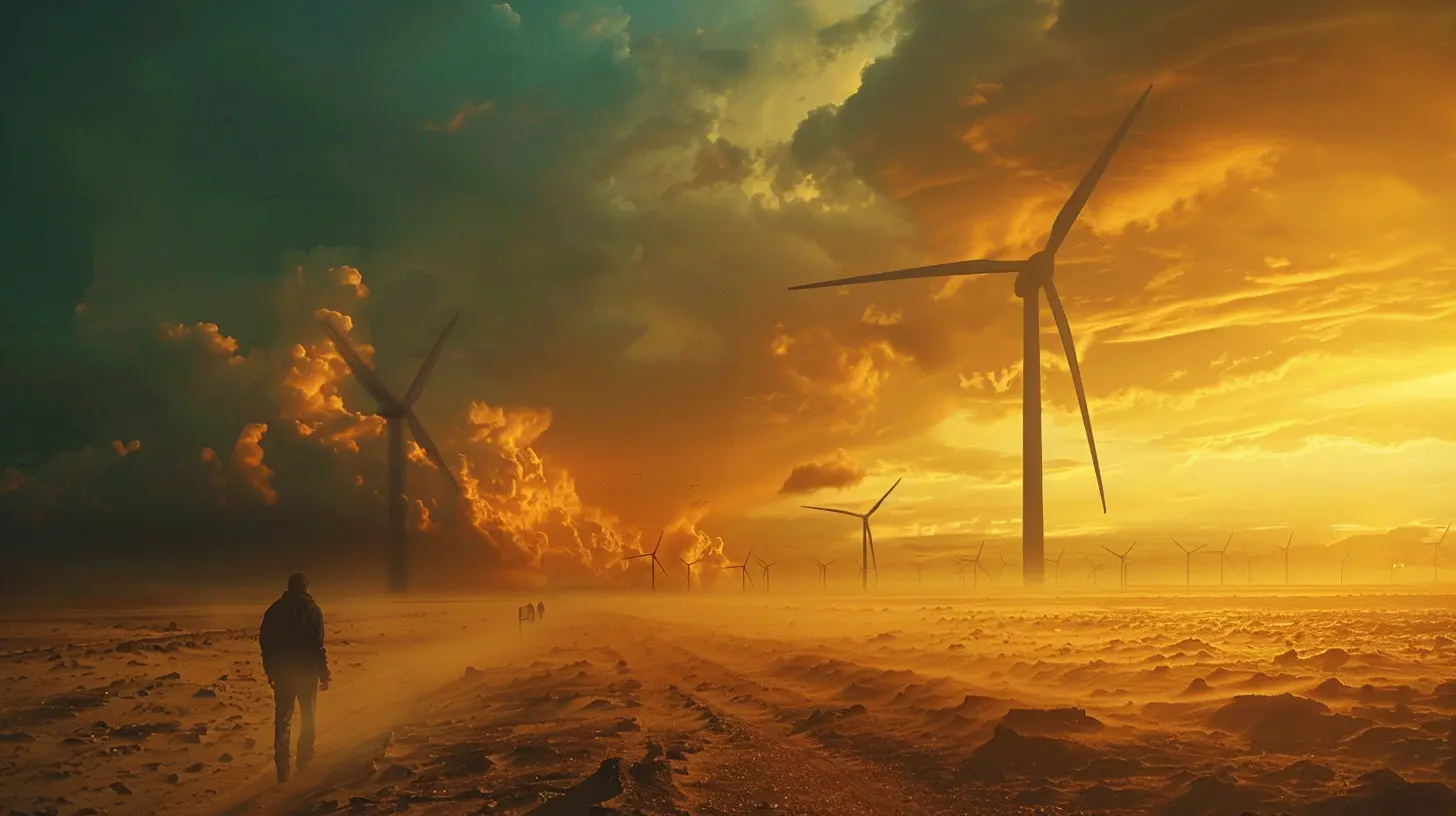
Emerging Trends Shaping the Renewable Energy Market
So, what’s next for the renewable energy industry? Here are some key trends shaping the future.1. The Rise of Energy Storage Solutions
One major challenge with renewables is intermittency. The sun doesn’t always shine, and the wind doesn’t always blow. That’s where energy storage comes in.Battery technology is improving rapidly. Lithium-ion batteries, once expensive and limited, are now more efficient and affordable. Companies like Tesla, BYD, and CATL are racing to develop batteries that can store energy for longer periods at lower costs.
Beyond lithium-ion, new technologies like solid-state batteries and hydrogen storage are emerging as potential game-changers.
2. The Growth of Offshore Wind Farms
Wind energy isn’t new, but offshore wind farms are gaining momentum. These massive turbines are placed in oceans where winds are stronger and more consistent.Countries like the U.K., Germany, and China are investing billions in offshore projects, and the U.S. is starting to catch up. The potential here is huge—offshore wind could provide a significant portion of the world’s energy needs without taking up valuable land space.
3. Hydrogen: The Next Big Thing?
Green hydrogen is creating a buzz in the energy sector. Unlike traditional hydrogen production, which relies on fossil fuels, green hydrogen is made using renewable electricity through a process called electrolysis.This has major implications for industries that are hard to electrify, like heavy manufacturing, aviation, and shipping. Countries like Germany, Japan, and Australia are betting big on green hydrogen as part of their energy transition strategies.
4. Smart Grids and AI in Energy Management
The energy grid of the future won’t just distribute electricity—it’ll be smart. AI and machine learning are being used to optimize energy use, prevent blackouts, and integrate renewables more efficiently.Smart grids can balance supply and demand in real time, helping utilities make better decisions and consumers save money. The result? A more stable and resilient energy system.
5. Electrification of Transportation
The connection between renewable energy and electric vehicles (EVs) is becoming stronger every day. As more people switch to EVs, the demand for clean electricity increases.In turn, widespread EV adoption encourages investment in renewable energy infrastructure, creating a positive feedback loop. Governments worldwide are pushing for more EV-friendly policies, making charging stations more accessible and incentivizing green transportation.
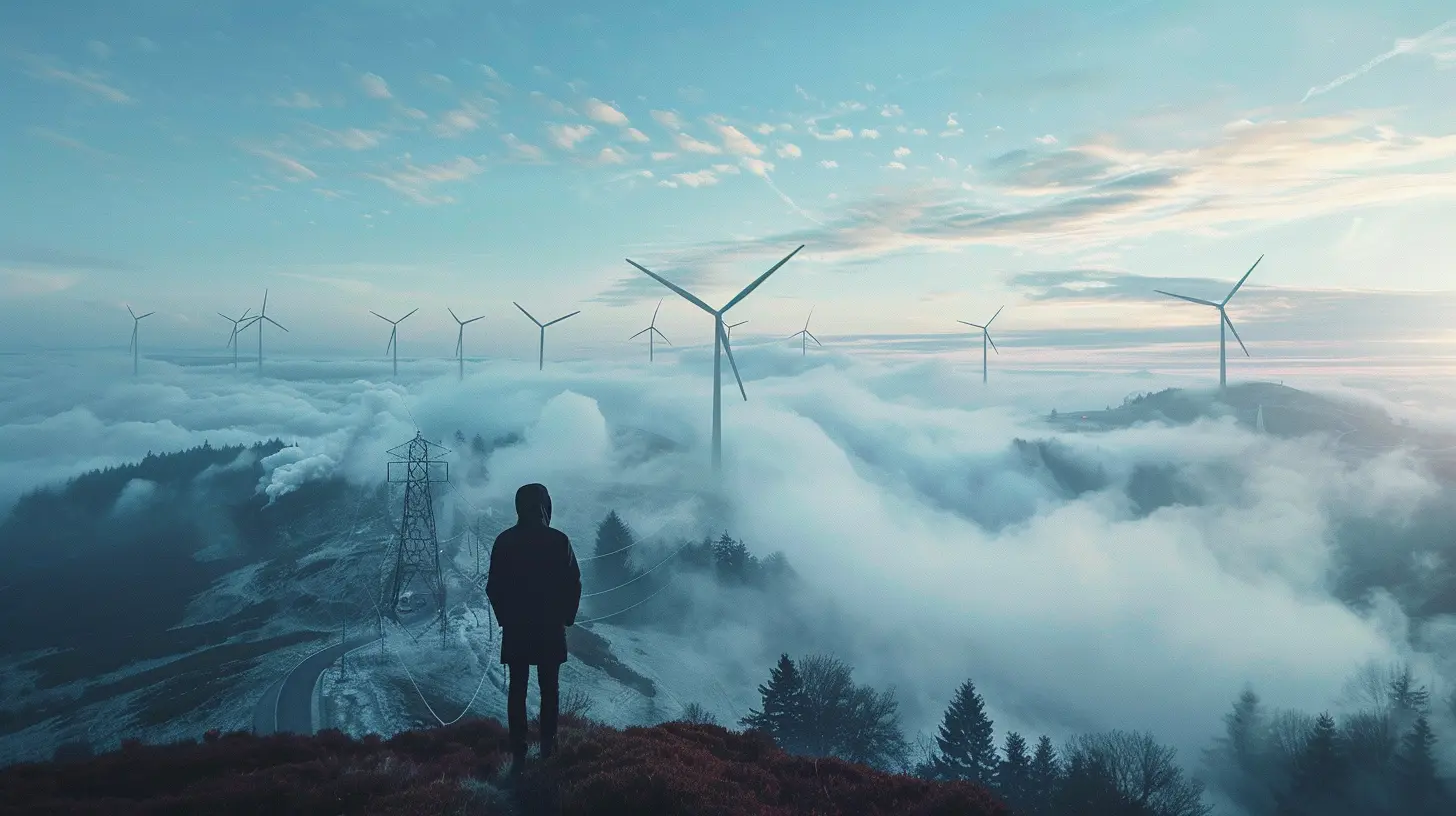
Challenges Facing the Renewable Energy Sector
Of course, no transition comes without obstacles. Despite its rapid growth, the renewable energy industry faces some serious challenges.1. Infrastructure and Grid Limitations
Most power grids were built to handle fossil fuels—not intermittent energy sources like solar and wind. Upgrading the grid to accommodate renewables will require massive investment and time.2. Supply Chain Issues
The renewable energy market isn’t immune to supply chain disruptions. The COVID-19 pandemic, geopolitical tensions, and trade restrictions have all impacted the availability of critical materials like lithium, cobalt, and rare earth elements.3. Political and Regulatory Uncertainty
While many governments are pushing for renewable energy, political changes can slow progress. Policy shifts, changes in leadership, and lobbying from fossil fuel industries can create uncertainty for investors and slow down renewable projects.4. Land and Resource Constraints
Large-scale renewable projects require land, water, and raw materials. While solar and wind farms have a smaller footprint than fossil fuel plants, land availability in urban areas remains a challenge. Balancing conservation efforts with energy development is crucial.
The Future of Renewable Energy
Despite the challenges, the momentum behind renewable energy is unstoppable. Costs are falling, technology is improving, and the world is waking up to the urgent need for clean energy.Within the next decade, expect to see even greater adoption of renewables, more efficient storage solutions, and deeper integration with everyday life. Governments, businesses, and individuals all have a role to play in accelerating this transition.
At the end of the day, renewable energy isn’t just about saving the planet—it’s about securing a sustainable, reliable, and affordable energy future for everyone.
all images in this post were generated using AI tools
Category:
Market TrendsAuthor:

Uther Graham
Discussion
rate this article
2 comments
Georgina Phillips
Great insights on the evolving renewable energy landscape! It’s encouraging to see how market trends are adapting to climate challenges. This shift not only offers investment opportunities but also fosters a sustainable future. Thank you for highlighting these important developments!
January 27, 2026 at 1:47 PM
Uther Graham
Thank you for your kind words! I'm glad you found the insights valuable. The transition to renewable energy is indeed a promising step towards a sustainable future.
Alessia Roth
Investing in renewable energy is like dating a solar panel: it may have its ups and downs, but in the end, you’ll enjoy some bright returns! ☀️💰
January 7, 2026 at 5:59 AM
Uther Graham
Great analogy! Investing in renewable energy truly offers both challenges and rewarding long-term benefits. 🌞