Protecting Your Investments with Securities Law Compliance
28 March 2026
Investing your hard-earned money isn't just about crunching numbers and following market trends—it's also about playing by the rules. And not just any rules. We're talking about the framework that keeps the financial world from spinning off its axis. That’s right: securities law compliance.
Now, I know what you're thinking. “Laws and regulations? That sounds like a snoozefest.” But hang in there. Imagine your investments are a castle. Securities laws? They’re the moat, the drawbridge, and the armored guards keeping the dragons of fraud and deception at bay.
Let’s dive in, not into a pile of legal jargon, but into a lyrical journey that uncovers how staying compliant can actually boost your confidence and protect your wealth.
🌱 What Is Securities Law Compliance Anyway?
Securities law compliance is the process of ensuring that all activities related to financial investments follow federal and state regulations. Think of it as the rafters and beams that support the house of your financial strategy.These laws are designed to:
- Keep the market fair and transparent
- Protect investors from scams and manipulation
- Hold companies accountable for the information they share
In plain English? It’s about honesty, fairness, and trust—basic pillars that should guide any investment decision.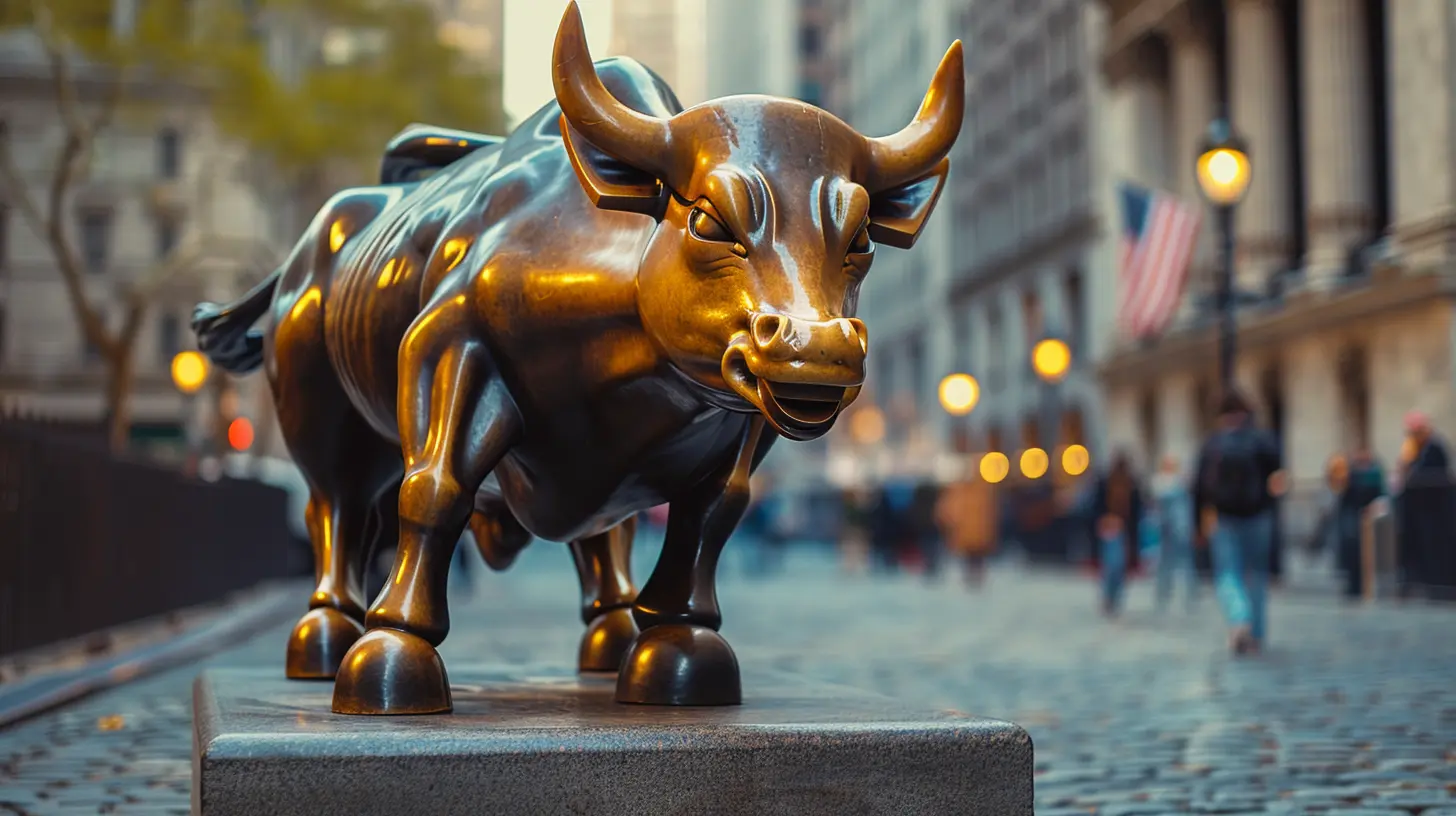
🔍 The Origins: A Quick Peek into the Past
Before we get into the how, let’s talk about the why.Back in 1929, the stock market crashed like a wave smashing against a rocky shore. Millions lost everything. Why? Because the market was a playground with zero rules—half-truths, pump-and-dump schemes, insider tip-offs, all of it running rampant.
So in 1933 and 1934, the U.S. Congress said, "Enough is enough," and rolled out the Securities Act and the Securities Exchange Act. From there, the Securities and Exchange Commission (SEC) was born, like a watchful eagle keeping an eye on Wall Street.
🧭 Why You Should Care About Compliance
You're not a Wall Street wolf. You're not cooking the books or hiding stocks in offshore accounts. So why should you care about securities compliance?Here’s the thing: whether you’re a day trader, a startup founder raising funds, or an investor in someone else's dream, you’re part of the system. And that system works only when we all play fair.
Imagine you're playing Monopoly and someone keeps slipping $500 bills under the table. Would you keep playing? Probably not. Trust is everything.
Here’s how compliance protects you:
- It keeps companies honest. Public companies must disclose their financials. No smoke. No mirrors.- It fights fraud. Scams cost Americans billions every year. Compliance is your financial bodyguard.
- It supports stable markets. When rules are followed, confidence grows. That's good for everyone.

⚖️ Key Components of Securities Law
Let’s lift the hood and peek inside. Securities laws might sound like a tangled web, but they’re built on a few core ideas.1. Disclosure Is King
Ever heard the phrase “sunlight is the best disinfectant”? That’s the approach here. Companies must disclose critical info—revenues, losses, risks—so you can make informed decisions.2. Registration Requirements
Before securities hit the market, they usually must be registered with the SEC. It's like a background check for investment products. Private placements can be exempt, but even those have conditions.3. Anti-Fraud Rules
Rule 10b-5 under the Exchange Act screams this loud and clear: dishonest behavior will not be tolerated. Lying, misleading statements, insider trading—these are the cardinal sins of investment.4. Insider Trading Restrictions
Got some juicy, non-public info about a company? Keep it to yourself. Trading on it is illegal and can land you in hot water real quick.🕵️ Real-World Examples: When Things Go Sideways
Let’s bring this down to earth. Remember Enron? It was the poster child for what happens when compliance is ignored. Fancy accounting tricks masked the company’s shaky foundation. Investors were blindsided. Billions evaporated like mist in the morning sun.Or take Bernie Madoff’s infamous Ponzi scheme. He promised consistent returns, and people lined up. It worked—until it didn’t. Had there been closer adherence to compliance standards, maybe the red flags would’ve been spotted sooner.
These aren’t just cautionary tales. They’re loud, clanging bells warning: never underestimate the power of securities laws.
📘 For Startups and Businesses: Compliance Isn’t Optional
For entrepreneurs and small businesses looking to raise capital, securities law can feel like a mountain.Can’t you just offer shares and call it a day?
Not so fast.
Even private offerings can trip legal wires. You might be exempt from registering with the SEC, but that doesn’t mean you’re off the hook. You still need to:
- File the correct forms (like Form D)
- Stick to specific fundraising limits
- Avoid general solicitation unless you're allowed to
It’s like baking a cake from scratch. Miss one step, and it doesn’t rise.
So whether you’re launching a tech startup or flipping houses, if you’re raising money from investors, get familiar with the rules—or hire someone who is.
🧠 The Investor’s Toolkit for Staying Safe
Alright, let’s flip the script. You’re the investor now. What can you do to protect yourself?1. Do Your Homework
Dig into financial statements. Listen to earnings calls. Read the fine print. Skepticism isn’t cynicism—it’s smart.2. Look for SEC Filings
Ever heard of EDGAR? It’s the SEC’s treasure chest of filings. From IPOs to quarterly reports, they’re all there. Get nosy.3. Beware of “Too Good to Be True”
If someone guarantees high, risk-free returns—run. Real investments come with risk. That’s just the way of the world.4. Report Suspicious Activity
Notice a company hiding info or an advisor acting shady? The SEC has a tip line, and it works. Speak up.🏗️ Building a Culture of Compliance
This isn’t a one-person job. Whether you're a company founder or a compliance officer, building an ethical culture is the real win.- Educate your team about relevant laws
- Establish internal controls that catch problems early
- Be transparent with investors and stakeholders
When compliance becomes part of the DNA, everything runs smoother. Trust goes up. Lawsuits go down. The vibe? Impeccable.
🌐 Global Considerations
Thinking internationally? Keep in mind that other countries have their own rules. The European Union’s MiFID II, for instance, is just as strict as U.S. laws.Cross-border investments demand even greater vigilance. If you think domestic compliance is tricky, international investing is like playing chess in a hurricane. But with the right legal guidance, it’s absolutely doable.
🔄 The Future of Securities Compliance
We’re moving fast. Tech is disrupting everything—from how we invest (hello, Robinhood!) to what we invest in (cryptos, NFTs).But here’s the kicker: regulations are evolving too. Regulators are catching up, and compliance is no longer just about paperwork—it’s about data, AI, and blockchain transparency.
Keep your ear to the ground. What’s legal today may shift tomorrow. Stay adaptable.
🧺 Final Thoughts: Why Compliance Is the Shield You Never Knew You Needed
Let’s be real. Securities law isn't sexy. It doesn’t make headlines unless something breaks.But here’s the truth: it’s the unsung hero of the financial world. It keeps greed in check. It levels the playing field. It gives you, the investor or the entrepreneur, the confidence to move forward without looking over your shoulder.
When you embrace compliance, you’re not just ticking boxes. You’re building trust, credibility, and resilience.
And that? That’s the secret ingredient to long-term success in any financial journey.
✅ Quick Checklist: Are You Compliant?
Here’s a handy breakdown to keep you on track:- [ ] Disclosing all relevant financial info?
- [ ] Filing the right forms with the SEC?
- [ ] Avoiding insider trades and non-public tips?
- [ ] Operating within exemption rules?
- [ ] Educating your team and investors?
- [ ] Monitoring for suspicious behavior?
If you said “yes” to all of the above, give yourself a pat on the back. You’re on the right side of the financial force.
Conclusion
Protecting your investments with securities law compliance isn’t about red tape—it’s about protecting your future. It’s the lock on your vault, the compass in your storm, the net beneath your financial tightrope walk.So whether you're just wading into the market or you're flying through IPOs, never forget:
Staying compliant isn’t just smart—it’s essential.
all images in this post were generated using AI tools
Category:
Legal ProtectionsAuthor:

Uther Graham
Discussion
rate this article
2 comments
Melody McFadden
Ah yes, because nothing screams excitement like diving into the thrilling world of securities law compliance. Who needs a wild night out when you can read about protecting your investments instead?
May 2, 2026 at 12:33 PM
Uther Graham
I get it-securities law compliance isn't the wildest topic. But understanding it can really make a difference in protecting your investments... and that can be exciting in its own way!
Whitney McRae
This article highlights the critical role of securities law compliance in safeguarding investments. It's essential for investors to understand these regulations to mitigate risks and ensure their portfolios are protected. Staying informed not only enhances investment security but also fosters trust in the financial markets. Great insights here!
April 2, 2026 at 3:33 AM
Uther Graham
Thank you for your thoughtful comment! I'm glad you found the insights on securities law compliance valuable for safeguarding investments. Staying informed is indeed crucial for building trust in the financial markets.