Is Owning a Home Still the American Dream in 2027?
15 April 2026
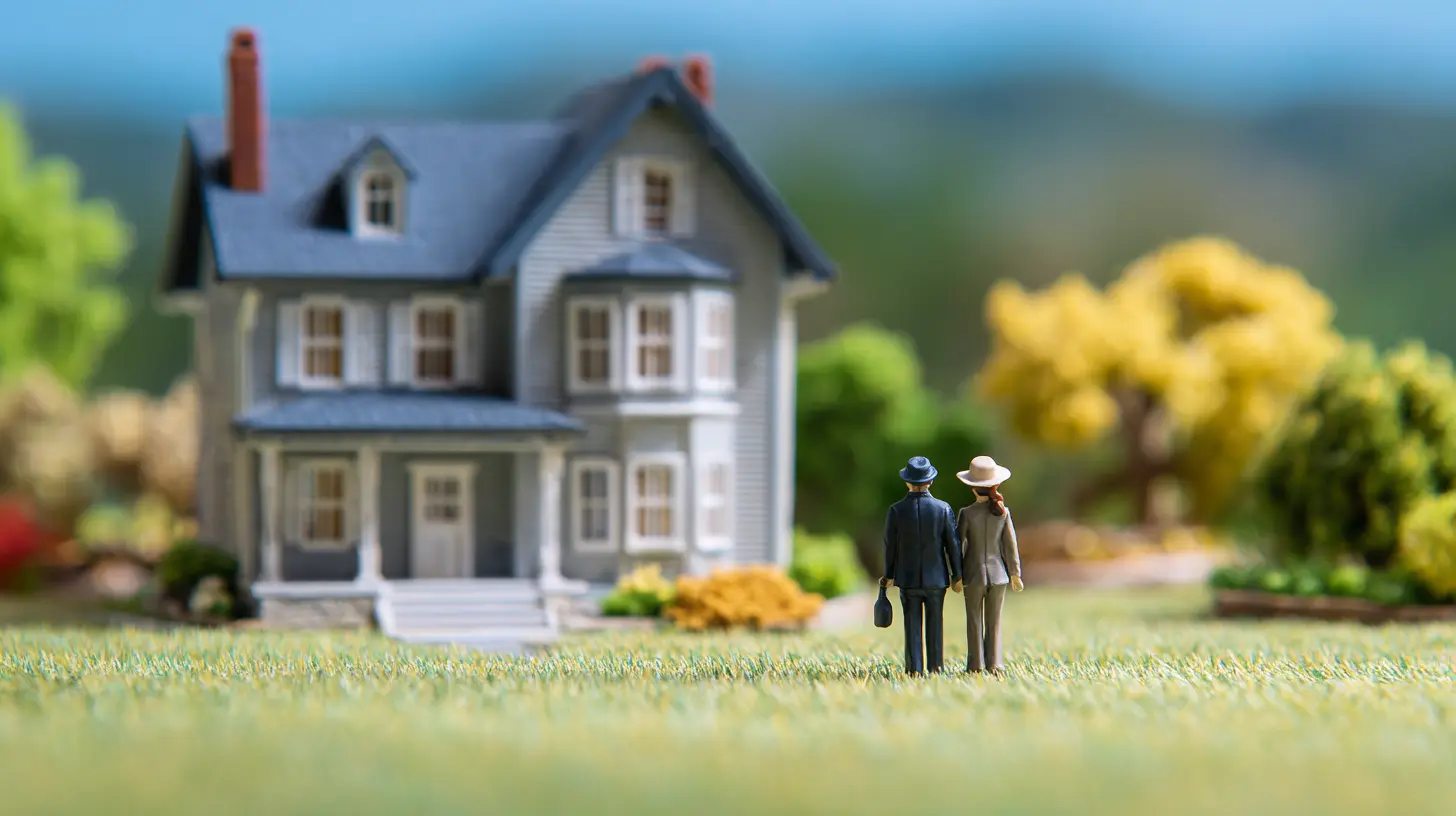
Let’s be honest. For generations, the image was seared into our collective consciousness: a white picket fence, a green lawn, a key in hand, and the profound, unshakeable feeling of owning your own piece of the world. This wasn’t just a financial transaction; it was a rite of passage, the ultimate checkbox on the adulting list, the very cornerstone of the American Dream. But as we stand here, looking toward 2027, that cornerstone feels… different. It’s been weathered by economic storms, shifted by societal earthquakes, and questioned by a new generation with different priorities. So, we have to ask: Is owning a home still the American Dream, or is it becoming an American Anachronism?
The answer isn’t a simple yes or no. It’s a complex, evolving "maybe" that depends entirely on who you are, where you are, and what you believe the dream is actually for. The dream hasn’t died, but it has shape-shifted. Let’s pull up a chair and really talk about what’s happening.
The Great Unraveling: Why the Dream Feels Out of Reach
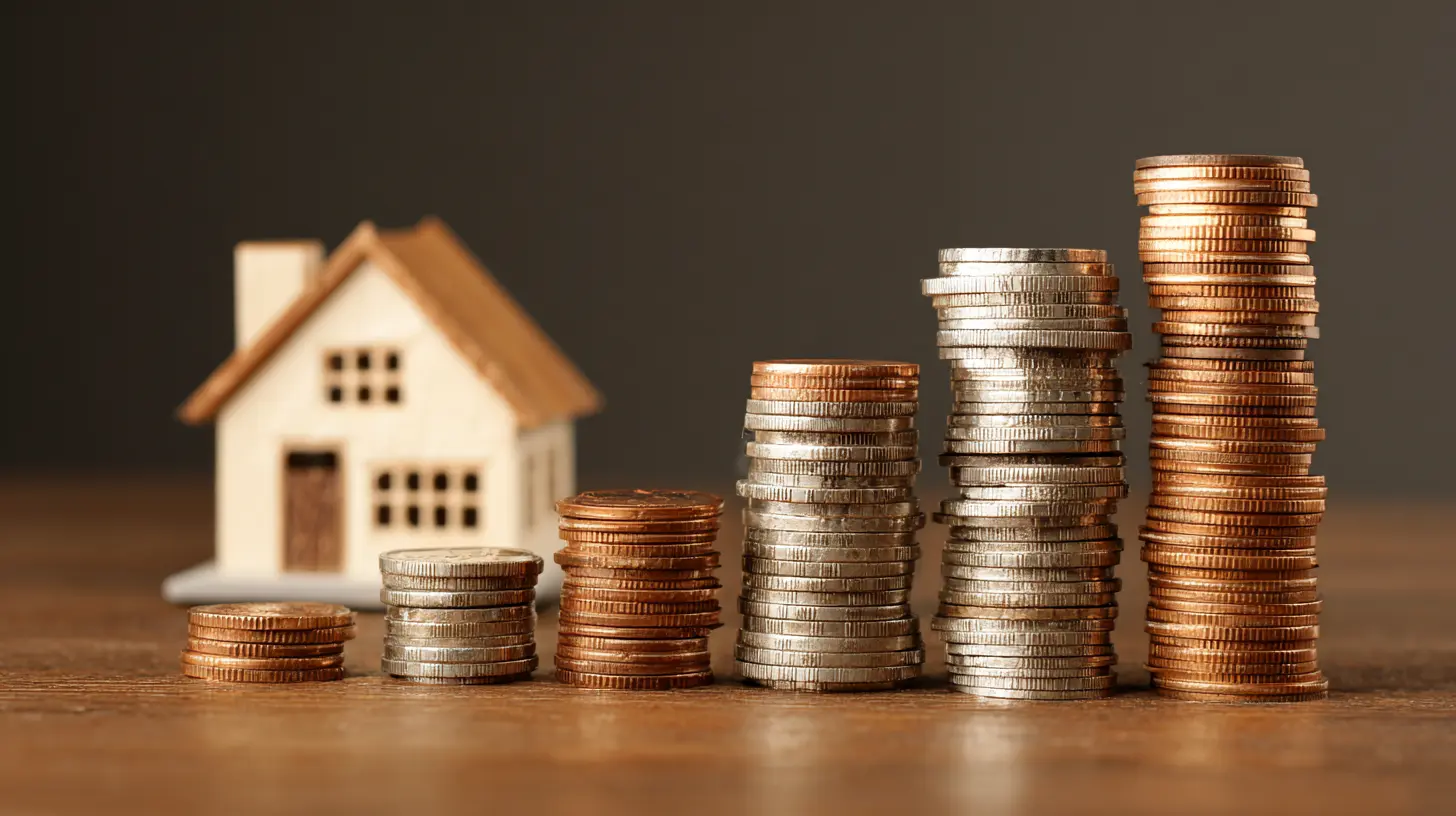
First, we need to acknowledge the elephant in the living room—the one that’s so big it’s bursting through the drywall of that charming starter home. The financial landscape for aspiring homeowners has transformed from a challenging hill into a sheer cliff face.The Affordability Abyss: You’ve seen the numbers. Home prices, in many areas, have sprinted far ahead of wage growth. It’s like trying to catch a speeding train on a bicycle. In numerous desirable markets, the median home price is a multiple of the median household income that would make our grandparents faint. The down payment alone can feel like a mythical treasure, locked behind a dragon of student debt and rising rent.
The Interest Rate Rollercoaster: Remember when your parents bragged about their 3% mortgage rate? That’s now a historical relic. While rates may fluctuate, the era of "free money" is likely over. Higher rates don’t just increase your monthly payment; they dramatically shrink the price of home you can actually qualify for. It’s a double-whammy that pushes the finish line further away.
The Inventory Illusion: There’s a chronic shortage of homes, especially in the "starter" category. Why? A mix of underbuilding for years after the 2008 crisis, the rise of large investment firms buying single-family homes to rent, and existing homeowners with ultra-low rates feeling "locked in" and unwilling to sell. It’s a game of musical chairs where the music stopped and half the chairs were removed.
This isn’t just about numbers on a spreadsheet. It’s about a palpable feeling of exclusion. For many young adults, the question has shifted from "When will I buy a house?" to "Will I ever buy a house?" That’s a fundamental rewiring of expectation.
Redefining the Dream: From Asset to Experience
But here’s where it gets interesting. As the traditional path has narrowed, our very definition of success and security is evolving. For a growing cohort, the "dream" is less about deed and more about freedom.The Fluidity Factor: The modern workforce is mobile. Remote and hybrid work models, which are only solidifying as we approach 2027, have untethered people from specific geographic hubs. Why chain yourself to a 30-year mortgage in one city when your career—or your wanderlust—might pull you elsewhere in five years? Renting offers a flexibility that homeownership inherently restricts. For some, the dream is the ability to say "yes" to a new opportunity across the country without the monumental hassle of selling.
The Cost of the "American Dream": Let’s not romanticize homeownership. It’s not just a mortgage. It’s a new roof ($15,000). It’s a broken water heater ($1,200). It’s property taxes, HOA fees, and weekends spent mowing and fixing. This "hidden tax" of time, stress, and unexpected cash is a heavy counterweight. Many are asking: Is this where I want to park my life energy and emergency fund? Or could that money fund experiences, investments, or a business idea?
The Wealth Building Myth (and Reality): "A home is the best investment you’ll ever make." We’ve all heard it. Historically, it’s been true for many, building generational wealth and acting as a forced savings account. But it’s not a guaranteed ticket. It’s an illiquid, leveraged, and undiversified investment. The 2008 crisis showed it can go backwards. Meanwhile, the stock market, over very long periods, has often outperformed real estate appreciation. For the financially savvy, building wealth through diversified investments (ETFs, retirement accounts) while renting is a perfectly valid—and sometimes more efficient—strategy.
Think of it this way: The old dream was about planting a mighty oak tree—deep roots, permanent, a legacy. The new dream, for many, is about cultivating a forest of different, more flexible trees—some for shade, some for fruit, some that can be moved if the climate changes.
The Unwavering Case for Homeownership in 2027
Before we declare the picket fence extinct, we must give the other side its due. Because for all the valid reasons to hesitate, the primal pull of homeownership remains powerful for profound, often non-financial reasons.The Sanctuary Imperative: After years of global turmoil and the blurring lines between work and home, the desire for a true sanctuary has intensified. A home you own is a blank canvas. You can paint the walls neon green, have a dog, knock down a wall, or plant a garden without asking for permission. In a chaotic world, the psychological security of controlling your own space is priceless. It’s not an asset; it’s your basecamp.
The Hedge Against Chaos: Rent is the ultimate variable expense. It will go up. A fixed-rate mortgage, however, is a shield against inflation for the largest line item in your budget. In 2027, with economic uncertainty a constant companion, locking in your largest housing cost can be an incredible form of long-term stability and predictability.
The Community Connection: Ownership often fosters a deeper investment in a community. You’re more likely to know your neighbors, volunteer locally, and care about school boards. This sense of belonging and contribution is a core human need that transient renting can sometimes dilute. The dream isn’t just the house; it’s the life you build within its walls and the neighborhood that surrounds it.
The 2027 Landscape: A Dream of Multiple Pathways
So, what does the American Dream look like as we gaze toward 2027? It’s not a monolith. It’s a spectrum of valid choices.1. The Strategic Owner: This buyer isn’t driven by FOMO (Fear Of Missing Out) but by FOGO (Fact-Based, Clear Goals). They may buy smaller, farther out, or a "fixer-upper." They use first-time buyer programs, family assistance (where possible), and see the home as a long-term lifestyle choice first, an investment second. Their dream is pragmatic.
2. The Contented Renter-Investor: This person embraces rental flexibility and aggressively invests the difference they’re saving on down payments, maintenance, and property taxes. Their wealth is liquid and diversified. Their dream is financial independence and geographic freedom.
3. The Alternative Pathfinder: The dream manifests in co-housing communities, tiny homes, building an ADU (Accessory Dwelling Unit) in a family member’s backyard, or moving to a lower-cost area unlocked by remote work. The dream here is customization and community on their own terms.
The Role of Policy & Technology: By 2027, we may see more policy experiments—expanded tax credits, innovative financing, zoning reforms to boost density. Technology, from 3D-printed homes to AI-powered property management, could also chip away at costs. The dream may be aided by new tools we can’t yet fully imagine.
Conclusion: The Dream is What You Define It To Be
Is owning a home still the American Dream in 2027? For many, yes—but it’s a more calculated, hard-won version of it. For others, the dream has been liberated from the shackles of a mortgage. It has expanded to encompass autonomy, security, and the freedom to design a life on your own terms, whether that life includes a deed or not.The true American Dream was never really about drywall and shingles. At its core, it was about opportunity, stability, and the promise that your hard work could build a better future for yourself and your family. That core hasn’t changed. What has changed are the tools and paths available to achieve it.
So, as you think about your own path to 2027, ask yourself the right questions: What does my stability look like? Where does my freedom lie? Is my goal a specific piece of land, or is it the power to choose my life’s direction without constraint?
The American Dream is no longer a single-family home with a standard floor plan. It’s a custom-built life. And in 2027, you get to be the architect. Whether you break ground on a foundation or choose to keep your wheels on, make sure you’re building the dream that’s right for you.
all images in this post were generated using AI tools
Category:
Renting Vs BuyingAuthor:

Uther Graham
Discussion
rate this article
1 comments
Sawyer McDermott
Owning a home in 2027: the dream’s still alive, but now it comes with a side of avocado toast!
April 18, 2026 at 4:26 AM
Uther Graham
Absolutely! Balancing dreams with reality means getting creative with expenses. Avocado toast might be a staple, but so is homeownership.