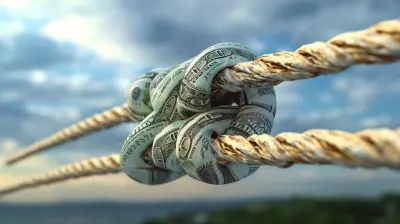
How Inflation Can Fuel Financial Instability
25 July 2026
Inflation—it's that silent force creeping into our everyday expenses, making groceries, gas, and rent more expensive. You’ve probably heard about it in the news or felt its impact firsthand. But have you ever thought about how inflation doesn’t just affect your wallet but can also shake entire economies?
When inflation runs wild, it can create a wave of financial instability, affecting businesses, investments, and even the job market. It’s like a domino effect—when one piece falls, everything else starts tumbling down. In this article, we’ll dive deep into how inflation fuels financial instability and why it should matter to you. 
What Is Inflation?
Before we talk about financial instability, let’s get a basic understanding of inflation. In simple terms, inflation is the rise in prices of goods and services over time. When inflation occurs, your money loses its purchasing power, meaning what you could buy last year with $100 might now cost $110 or more.There are two main types of inflation:
1. Demand-Pull Inflation – This happens when there’s too much money chasing too few goods. When demand outpaces supply, prices naturally rise.
2. Cost-Push Inflation – This occurs when the costs of production increase (like raw materials or wages), forcing businesses to raise prices to maintain profits.
A little inflation is normal—it keeps the economy growing. But when inflation spirals out of control, it can lead to financial chaos. 
How Inflation Leads to Financial Instability
1. Decreasing Purchasing Power
The most immediate effect of inflation is that it erodes purchasing power. Imagine you’ve saved up for months to buy a car, but by the time you’re ready, the price has skyrocketed. Suddenly, that dream car is out of reach.When people can’t afford as much as they used to, consumer spending drops. Since consumer spending is a major driver of economic growth, this slowdown can cause businesses to struggle, leading to layoffs, lower profits, and even economic downturns.
2. Higher Cost of Borrowing
Inflation often prompts central banks, like the Federal Reserve, to raise interest rates to slow it down. While this move helps control rising prices, it also makes borrowing more expensive.- Loans and Mortgages – Higher interest rates mean higher monthly payments for loans and mortgages. This makes it harder for individuals to buy homes, cars, or even start businesses.
- Credit Card Debt – If you’re carrying credit card debt, rising interest rates will make it even more expensive to pay off.
When borrowing becomes costly, businesses cut back on expansion, and consumers reduce spending, leading to slower economic growth.
3. Stock Market Volatility
Investors hate uncertainty, and inflation creates a lot of it. When inflation gets out of hand, the stock market tends to become highly volatile.- Companies face rising costs, shrinking profit margins, and lower earnings.
- Investors start pulling out money, fearing a downturn, which leads to stock prices falling.
- Uncertainty makes people hesitant to invest, causing a ripple effect that impacts the broader economy.
When markets swing unpredictably, retirement funds, pensions, and investment portfolios take a hit, affecting financial security for millions.
4. Erosion of Savings
If inflation is rising at a rate faster than your savings account interest, your money is essentially losing value while sitting in the bank.Imagine you have $10,000 saved, and inflation is at 8% while your savings account yields only 2%. In real terms, your money is losing 6% of its value each year. This discourages saving and pushes people to seek higher-risk investments, which can be dangerous during uncertain times.
5. Increased Business Costs
Businesses don’t operate in a vacuum—they rely on materials, labor, and logistics to function. When inflation drives up the cost of raw materials and wages, businesses have two choices:- Absorb the higher costs and take a hit to their profits.
- Pass those costs onto consumers by raising prices.
For small businesses, which already operate on thin margins, inflation can be devastating. Many are forced to shut down, lay off workers, or cut wages, increasing unemployment and financial instability.
6. Decline in Wage Growth
While prices may be rising, wages don’t always keep up. If inflation is at 8%, but your salary only increased by 3%, you’re effectively making less money in real terms.When purchasing power declines, people struggle to maintain their standard of living. This causes financial stress, lowering consumer confidence and leading to reduced spending—again, hurting the economy in the long run. 
What Can Be Done to Combat Inflation-Induced Financial Instability?
1. Central Bank Policies
Central banks often raise interest rates to slow down inflation. While this makes borrowing more expensive, it helps control excessive price increases. Governments also use fiscal policies, such as cutting down on unnecessary spending, to stabilize the economy.2. Smarter Personal Finance Strategies
While you can’t control inflation, you can control how you prepare for it. Here are some smart financial moves:- Invest Wisely: Consider stocks, real estate, or assets that tend to hold value during inflationary periods.
- Build an Emergency Fund: Having savings to cover at least 6 months of expenses helps cushion financial shocks.
- Limit High-Interest Debt: With interest rates rising, try to pay off credit cards and other high-interest loans as soon as possible.
3. Wage Adjustments and Cost Management
Employers and policymakers must consider wage adjustments that keep pace with inflation. Employees can also seek job opportunities that offer better compensation, benefits, or remote work options to reduce commuting and living costs.4. Government Intervention
Governments play a crucial role in addressing inflation and financial instability. They can:- Implement wage policies to help workers keep up with the rising cost of living.
- Provide subsidies for essential goods to shield lower-income households.
- Strengthen anti-monopoly laws to prevent artificial price hikes by corporations. 
Conclusion: A Balancing Act
Inflation is like fire—it can be useful in controlled amounts, but if left unchecked, it can burn everything in its path. While some level of inflation is necessary for economic growth, excessive inflation can create widespread financial instability, affecting individuals, businesses, and entire economies.The key is to stay informed and adaptable. By understanding inflation’s impact and taking proactive steps to manage finances wisely, you can protect yourself from its worst effects. Whether it's prioritizing investments, reducing debt, or staying mindful of economic trends, a little preparation goes a long way.
So, next time you hear about inflation, don’t just shrug it off—think about how it could impact your financial future and take steps to safeguard your money today.
all images in this post were generated using AI tools
Category:
Financial CrisisAuthor:

Uther Graham