Digital Assets: A New Frontier in Wealth Preservation
26 April 2026
We’re standing on the edge of a financial revolution, and guess what—it’s all digital. The rules of wealth preservation are being redefined right before our eyes, and digital assets are at the center of this big shake-up.
From cryptocurrencies and tokenized real estate to NFTs and decentralized finance (DeFi), the landscape of asset management is undergoing a massive transformation. So, why should you care? Because the way you protect your wealth today could very well determine your financial future.
Let’s dive into the mysterious and intriguing world of digital assets—where value isn't always visible, and wealth preservation doesn't always come with a bank vault.
The Traditional Way of Preserving Wealth (And Its Flaws)
For centuries, wealth was tucked away in hard assets—think gold, land, fine art, or stashed in bank accounts and diversified stock portfolios. These methods worked… until they didn’t.Inflation started eating away at fiat currency. Political instability and economic crashes began to rock traditional markets. And don’t get us started on exorbitant fees, slow banking systems, and lack of transparency.
Sure, gold is shiny and stocks have been reliable. But in a world that’s becoming increasingly digital, do they still measure up?
Let’s be honest—your wealth deserves better armor.
What Are Digital Assets, Anyway?
Digital assets are anything that exists in digital form and holds value. Simple, right?But there's more beneath the surface.
They can be cryptocurrencies like Bitcoin or Ethereum, digital tokens representing ownership (like tokenized assets), NFTs that authenticate one-of-a-kind digital content, or even smart contracts running on blockchain networks.
The real kicker? These assets exist on decentralized networks—like blockchain. That means there’s no middleman. No bank. No obscure “processing” fee. Just direct ownership and verifiable recordkeeping.
It’s financial freedom packed into code.
Why Digital Assets Are Disrupting Wealth Preservation
Now, here comes the juicy part—why digital assets are quietly becoming the go-to for storing and securing wealth.1. Decentralization = Power to the People
Traditional financial systems are centralized. A bank, government, or other institution controls your money and assets. That’s fine… until things go south—frozen accounts, hyperinflation, confiscation, or even war.With digital assets, control returns to you.
You hold your private keys? You own the asset. There’s no CEO or central bank who can say otherwise.
That’s wealth preservation the way it was meant to be—secure, untouchable, and truly yours.
2. Portability Like Never Before
Imagine being able to carry millions of dollars in your pocket—or, better yet, in your memory.Digital assets are portable. You could flee political unrest or travel the world with your wealth in a simple USB drive or stored in your brain using a 12-word seed phrase.
Try doing that with gold bars.
3. Resistance to Inflation
Unlike fiat currency, which governments can print endlessly (hello inflation), many cryptocurrencies are deflationary by design.Take Bitcoin, for example. Only 21 million will ever exist. It’s like digital gold—limited, verifiable, and decentralized.
In an era where inflation is eating savings alive, digital assets offer a breath of fresh (and financially secure) air.
4. Accessibility for Everyone
Digital assets aren’t just for the wealthy elite. Got a smartphone? Internet connection? Congratulations—you’re in.No minimum investment. No need for a financial advisor in a suit. Just you, your device, and the desire to build wealth your way.
We’re talking about democratizing finance on a global scale.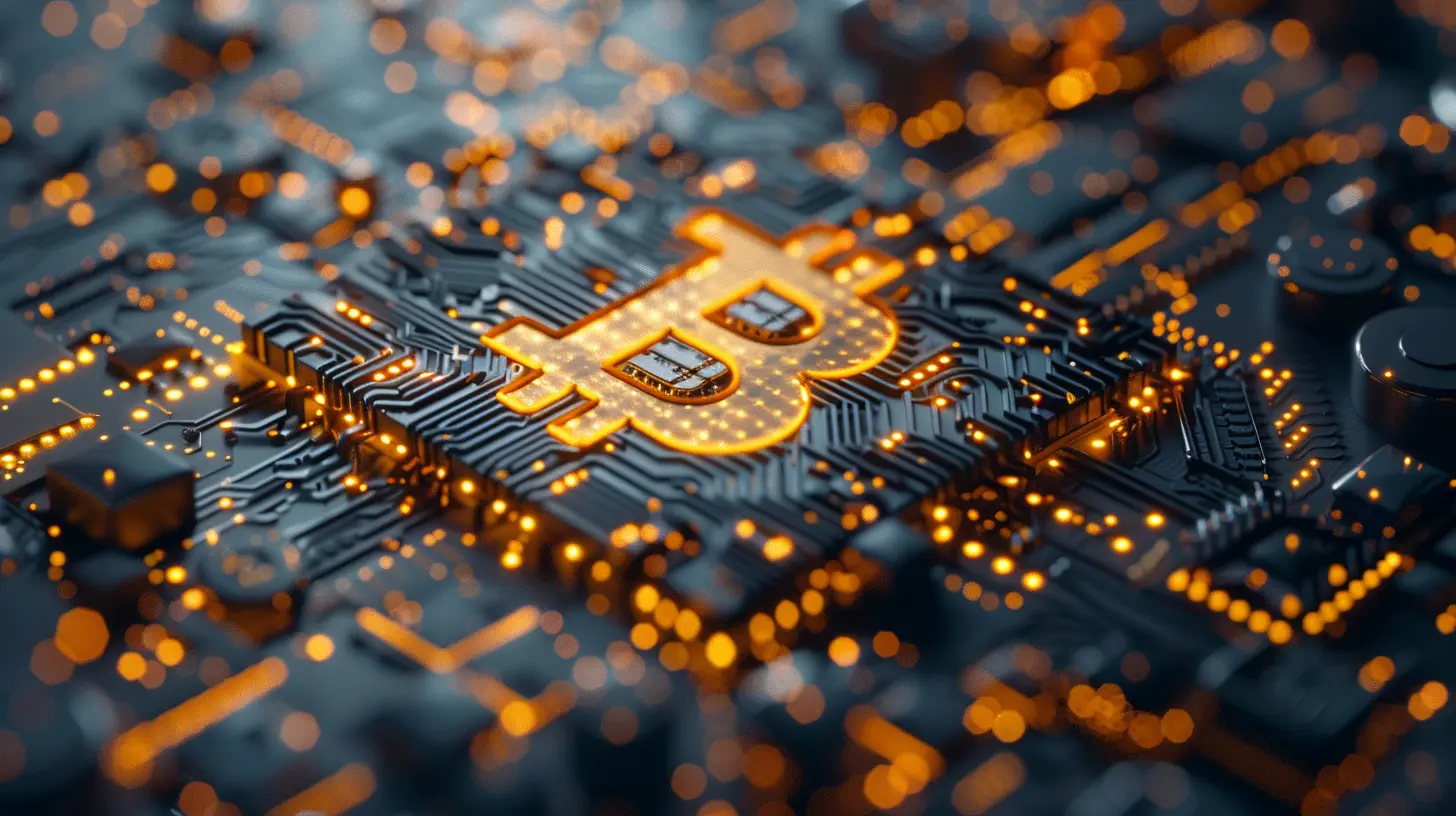
Types of Digital Assets That Preserve Wealth
Let’s break this down. Not all digital assets are created equal, and depending on your risk tolerance and goals, some might suit you more than others.? Cryptocurrencies
These are the backbone of digital wealth. Bitcoin, Ethereum, and other altcoins allow you to store and grow your money outside traditional banking systems.Some are more volatile than others, but guess what? Risk often walks hand in hand with reward.
? Tokenized Real-World Assets
This one’s a game-changer. Imagine owning a piece of real estate, fine art, or even a classic car—without ever leaving your couch.Tokenized assets take tangible investments and divide them into digital shares (tokens) on the blockchain.
You get all the perks—value, ownership, income—without the headaches of maintenance or legal red tape.
? NFTs (Non-Fungible Tokens)
More than just overpriced jpegs. NFTs unlock a new class of assets—digital collectibles, intellectual property, and even identity verification.While some hype has died down, the underlying tech is still rock-solid and evolving fast.
? Smart Contracts
Not an asset in the traditional sense, but incredibly valuable.Smart contracts execute automatically when certain conditions are met. Think rental agreements, inheritance plans, or financial derivatives that run based on code—not trust.
That means fewer disputes, faster settlements, and airtight legal protection.
Challenges and Risks: It’s Not All Sunshine and Satoshis
Let’s not put on rose-colored glasses here. The digital frontier is exciting, but it’s also riddled with potholes.⚠️ Volatility
Crypto prices can swing wildly. One day you're rich, the next… not so much.That doesn’t mean digital assets are bad—it just means you have to manage your exposure smartly.
? Security Concerns
If you lose your private keys, your assets are gone. Period.There’s no “forgot password” button. No customer support hotline. Your security is your responsibility.
?️ Regulatory Uncertainty
Different countries are drawing different lines in the sand. Some embrace digital assets. Others ban them.Before you jump in, make sure you understand the laws in your jurisdiction.
?♂️ Tech Complexity
Blockchain, staking, cold wallets, DeFi, gas fees—it can feel like learning a new language.But like any good investment, a bit of homework goes a long way.
The Role of Blockchain in Wealth Preservation
Blockchain is the unsung hero behind digital assets. It’s the digital ledger that keeps everything transparent, secure, and immutable.In short, it’s what makes all this possible.
Every transaction is recorded on a public ledger. That means fraud is almost impossible, and trust is baked into the system through cryptographic proof.
We’ve never seen anything like it in the history of finance.
How to Start Preserving Wealth with Digital Assets
Ready to dip your toes in?Here’s a quick roadmap:
✅ Step 1: Educate Yourself
Read. Watch. Listen. Follow experts. Don’t invest blindly or follow hype.Knowledge is your first asset here.
✅ Step 2: Choose a Secure Wallet
A wallet is where you store your digital assets. Cold wallets (offline) are safest for long-term storage. Hot wallets (online) are better for trading.Choose one based on your strategy.
✅ Step 3: Start Small
Don’t go all in on day one. Start with a small amount, test it out, and get comfortable.This is a marathon, not a sprint.
✅ Step 4: Diversify
Just like traditional investing. Don’t put all your eggs in one blockchain.Mix it up with a blend of cryptos, tokenized assets, and perhaps even a sprinkle of NFTs if you're feeling adventurous.
Digital Assets vs. Traditional Assets – Which is Better?
That’s the million-dollar question.Truth is—it’s not either/or. It’s about balance.
Digital assets are supplements, not replacements (at least for now). They offer unique advantages—borderless access, inflation resistance, real-time control—but also require a different mindset.
You’re not just transferring wealth—you’re transforming how you interact with it.
Future-Proofing Your Wealth
Let’s fast-forward 10 years.Will banks still be the gatekeepers of money? Will you still be relying solely on traditional assets to retire comfortably?
Or will your wealth be spread across decentralized platforms, automated with smart contracts, and growing passively through staking, NFTs, and tokenized income streams?
Digital assets aren’t just a phase—they’re a paradigm shift. And the earlier you adapt, the better your chances of protecting and growing your wealth.
Final Thoughts: The Digital Vault is Wide Open
We’re living through the dawn of decentralized finance. It’s thrilling. It’s messy. It’s unpredictable.But it’s also full of promise.
Digital assets offer more than just investment opportunities—they offer freedom, transparency, and resilience in a world where traditional systems are looking more fragile than ever.
The digital vault is open. And for those bold enough to walk through, a whole new financial frontier awaits.
Are you ready?
all images in this post were generated using AI tools
Category:
Wealth PreservationAuthor:

Uther Graham
Discussion
rate this article
1 comments
Bear McQuade
Embrace the future—digital assets could boost wealth!
April 26, 2026 at 11:33 AM
Uther Graham
Absolutely! Digital assets offer innovative ways to secure and grow wealth. Exciting times ahead!