Converting Pre-Tax to Roth: When is the Best Time?
13 July 2026
So, you’ve got a traditional IRA or 401(k), and now you’re hearing all the cool kids are converting to Roth IRAs. You're wondering if it’s time to join the Roth party—or if you’ll regret locking yourself in the fiscal bathroom with a tax bill. Let me guess: You’re confused, a little overwhelmed, and not so sure if converting pre-tax dollars to Roth is like winning the lottery or stepping on financial Lego.
Don’t worry. We’ve all been there. Let’s break it down in plain English, with just the right mix of sarcasm and realism, so you can decide if now's the right time to flip the tax-switch.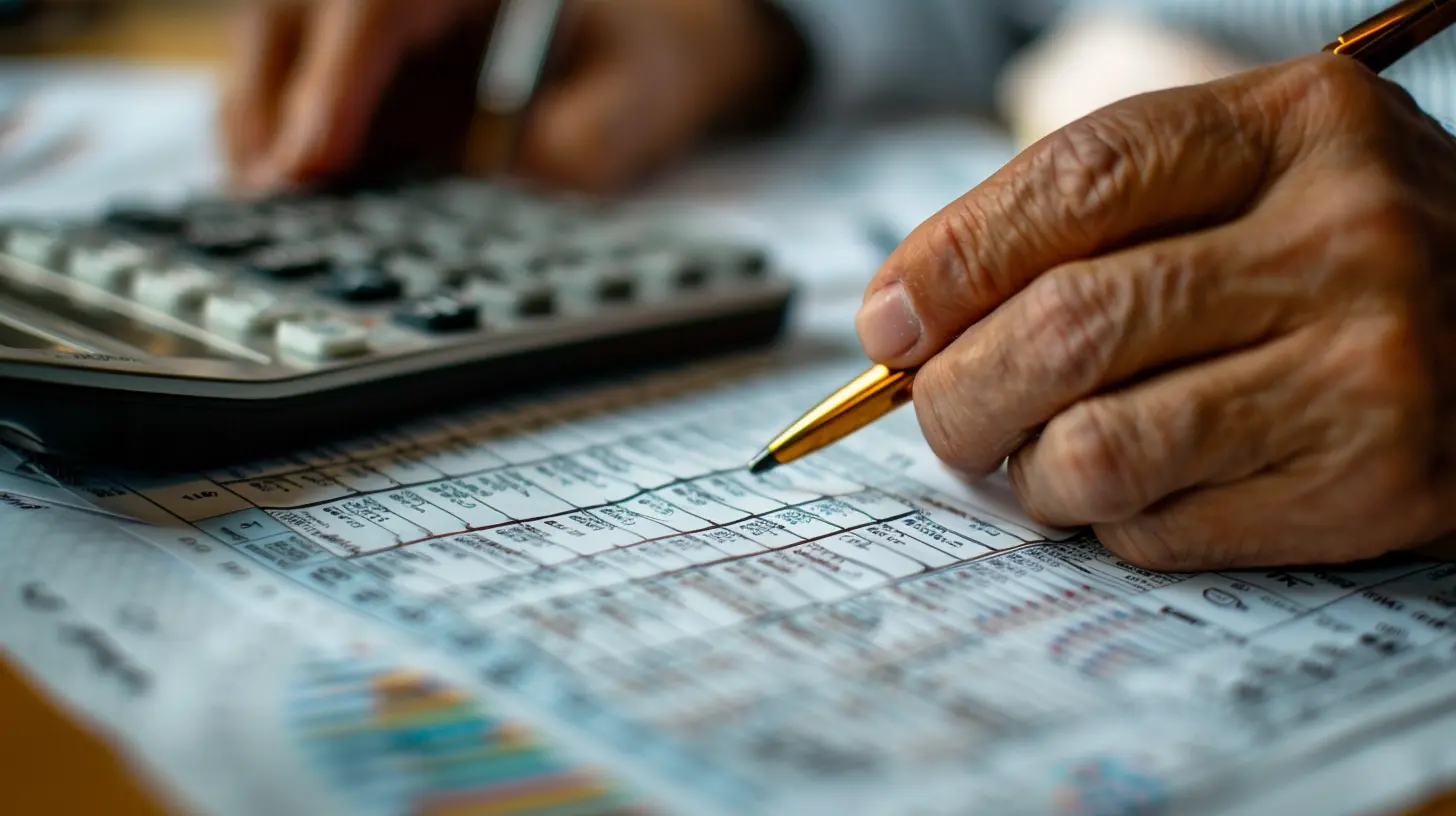
What’s This Whole “Converting to Roth” Thing Anyway?
Picture your traditional IRA or 401(k) like a delicious tax-deferred burrito—you don’t pay taxes on it now, but you will later when you finally unwrap it. A Roth IRA? That’s more like a tax-paid salad. You already paid for it, it's cleaner, and the IRS leaves it alone for the rest of its life.So when we talk about converting pre-tax to Roth, we're talking about paying taxes now—voluntarily (yes, voluntarily, crazy concept)—so you can enjoy tax-free growth and withdrawals later.
Sounds fun, right?
Well, it can be. But it can also be like voluntarily eating broccoli. Good for you, but hard to swallow.
Why Would Anyone Do This?
Great question.Here’s the logic behind converting pre-tax dollars to Roth IRAs (spoiler: it's actually solid):
- Tax-Free Growth Forever (kind of like a unicorn, but real)
- No Required Minimum Distributions (RMDs) in retirement (A.K.A. the IRS tapping you on the shoulder like, “Hey buddy, gimme that tax money now.”)
- Estate Planning Goldmine: Passing tax-free money to your heirs? You just became the favorite parent.
- Predictable Taxes in retirement: Because who doesn’t want a little predictability?
So yes, it’s tempting. But timing is everything. Walk in at the wrong moment and—boom—you’re writing a fat check to Uncle Sam unnecessarily.
Which begs the question…
When Is the Best Time to Convert?
Ah, the golden question. Let’s dissect it like we’re trying to win a science fair.1. When You’re Temporarily In a Lower Tax Bracket
Guess what? Taxes work a lot like concert ticket pricing: the earlier you buy (or the lower your income), the less you pay. So, if you just retired but haven’t started Social Security or RMDs yet, you might be in a temporary tax valley. That’s your cue.This is the financial equivalent of a clearance sale. "Get your Roth conversion at 12% off! Limited time offer!"
Seriously, take advantage of it.
2. During Market Dips or Full-On Nose-Dives
Remember March 2020? When everything (including your portfolio) tanked harder than your uncle on Thanksgiving dinner politics? That was a PERFECT time to convert!Why? Because converting dollars when your account is lower means you’ll pay taxes on a smaller amount, and then—hopefully—ride the tax-free rocket back up.
Tax the slump, grow the pop. It's like buying Tesla stock when it was cheap (if only!).
3. If You’re Young and Broke-ish (But Ambitious)
Hey, broke now doesn’t mean broke forever. If you’re early in your career, in a lower tax bracket, and have a bunch of retirement years ahead of you, a Roth conversion is like planting a money tree in your 20s that’ll bloom in your 60s.Pay taxes now when you owe the IRS like, twelve bucks, and dodge the mega tax bill later when you’re making boss-level money.
4. The Year You Take a Sabbatical (Or Get Laid Off—Oops)
Not working this year? Taking a sabbatical to find yourself? Reading finance blogs in a cabin in the woods? (Same.)Welcome to a prime Roth conversion window.
If your income is down, your taxes will likely be low. That’s your cue to convert some of those pre-tax funds at rates lower than your ex’s self-esteem after your breakup.
5. After Retirement But Before Social Security and RMDs
This is the magical realm of retirement but before the government comes knocking.You’re retired, but haven't started collecting Social Security, and you're under 73, so the IRS isn't forcing you to take RMDs just yet. Basically, you’re in tax purgatory—in the best way.
This period is like the eye of a tax hurricane—peaceful, calm, and perfect for some strategic Roth conversions before the winds pick up.
When You Should Absolutely Pause (If Not Run Away Screaming)
Look, we're all for taking bold financial strides, but there are times converting to Roth is about as smart as deep-frying your phone.1. If It Pushes You Into a Higher Tax Bracket
Let’s say you’re making $95,000 a year and thinking of converting another $50K. Whoa there, cowboy. That conversion could push you into a higher tax bracket, which is basically asking the IRS to take a bigger bite out of your paycheck.It’s like buying something on sale, but paying double because you used the wrong credit card.
Don’t do it. Or at least, do it in smaller increments over a few years.
2. You Need the Money to Pay the Taxes
If you’re planning to convert $30,000 to Roth and pay the taxes from that same $30K, stop right there. That’s like cutting off the end of a blanket to sew it to the top because your head is cold.You could be hit with early withdrawal penalties if you’re under 59½, and you’re shrinking your retirement funds just to make the conversion happen. It’s like setting your couch on fire to stay warm. Technically it works…but no.
3. You’re Close to Qualifying for Financial Aid or ACA Subsidies
Surprise! Roth conversions increase your taxable income—at least for the year you convert. That can mess up your financial aid eligibility or hike your health insurance premiums through the roof.Suddenly, your Roth dream became a bureaucratic nightmare. Don’t say we didn’t warn you.
How Much Should You Convert?
Now here’s the million-dollar question (literally, if you mess it up): How much should you convert?There’s no one-size-fits-all, but here’s a handy checklist:
- Stay within your current tax bracket
- Watch out for those “cliffs” (like Medicare surcharges, ACA subsidies, etc.)
- Keep a multi-year strategy in mind (small, annual conversions could be smarter)
- Use a tax pro or financial planner (or at least someone who won’t say “What’s a Roth?”)
Also—it doesn't have to be all or nothing. Partial conversions? That’s the adulting version of dipping your toe in the Roth pool instead of cannonballing into a tsunami.
Long-Term Benefits That’ll Make You Feel Like a Financial Genius
Want to feel smug about your Roth conversion five years from now? Here’s why long-term you’ll probably pat yourself on the back:- Your investments grow tax-free—like a Chia Pet with compound interest.
- You can withdraw contributions any time (without penalty).
- You’re better prepared for unpredictable tax hikes (you know they’re coming).
- You’re not forced to take RMDs—hello, flexibility.
- You leave a tax-free gift to your heirs. Brownie points from the grave? Yes, please.
Final Thoughts: Is Timing a Science or an Art?
Answer: It’s both. It’s like baking a cake—too early and it’s gooey, too late and it’s dry. Getting Roth timing right requires awareness of your income, taxes, age, life events, and wild card factors (like market performance and political tax changes).The key? Set a game plan, review it annually, and adjust as needed.
And remember: paying tax now to potentially pay zero later is kind of like pre-paying for an all-inclusive resort vacation. It hurts a bit upfront, but man, when you’re sipping pina coladas (or dividends) tax-free in retirement, it feels pretty good.
FAQs (Because You’ve Got Questions, Obviously)
Q: Can I recharacterize (undo) my Roth conversion if I change my mind?A: Nope. The IRS killed that party in 2018. Once you convert, you're in. Like a tattoo—make sure you love it.
Q: Is there a max amount I can convert?
A: Nope again. Convert $10 or $10 million. Just be prepared to pay the tax bill either way.
Q: Does age matter when converting?
A: It matters for penalties. If you’re under 59½ and use converted funds to pay taxes, you might get penalized. Age also plays into tax strategy windows.
TL;DR
Converting pre-tax money to Roth can be brilliant—but only if done right. You want to convert during low-income years, market dips, or retirement windows before Social Security and RMDs. Avoid converting if it pushes you into a higher tax bracket, messes with your subsidies, or if you can't pay the taxes separately.Like all things in life (and finance), it’s all about timing. And maybe a little luck. And coffee. Definitely coffee.
all images in this post were generated using AI tools
Category:
Ira AccountsAuthor:

Uther Graham